
Basketball is a constant tactical duel.
Whenever the offense develops a new weapon, the defense must understand it and find an appropriate response.
The same process then begins again in the opposite direction.
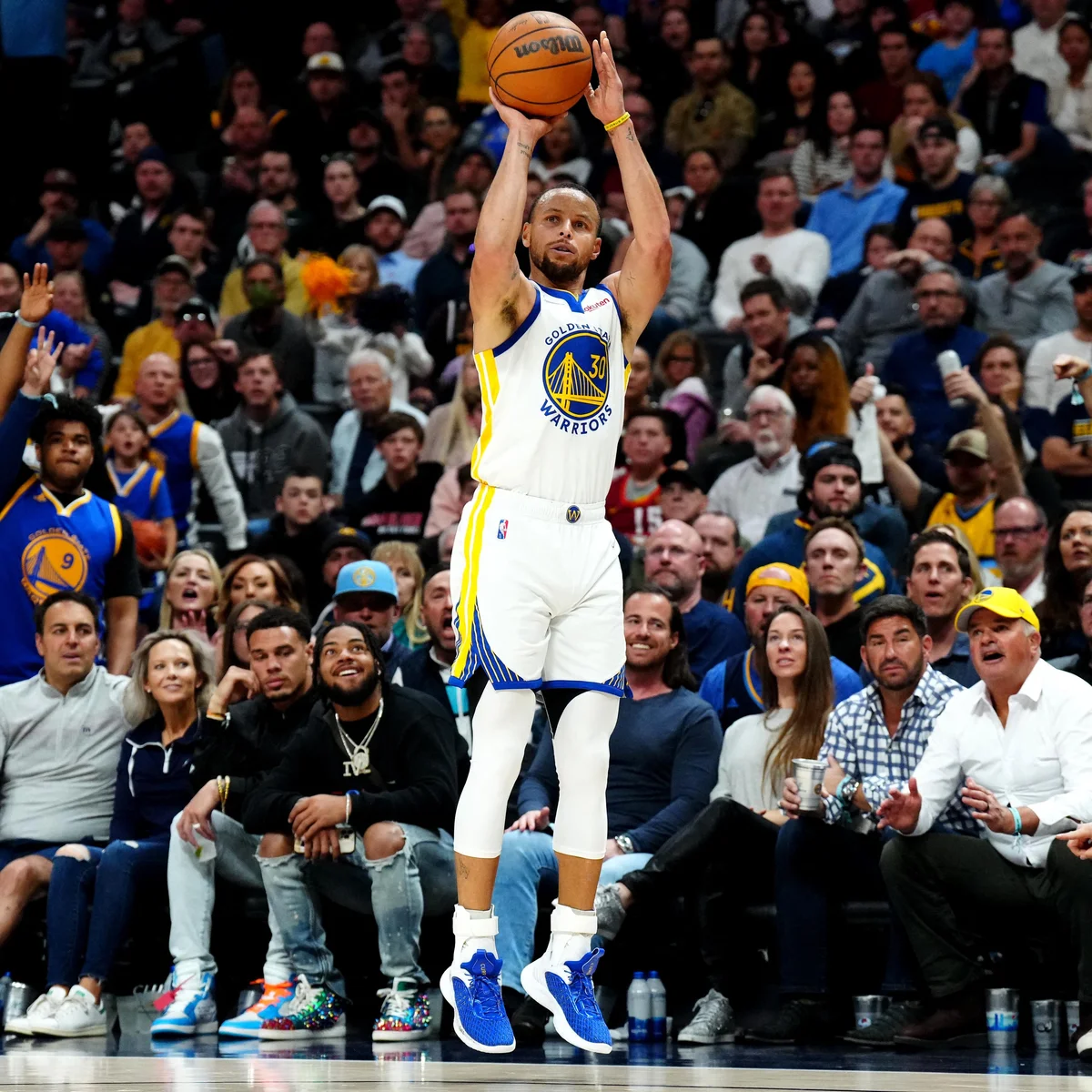
One of the offensive developments that changed this relationship was the three-point shot.
As teams learned to use penetration followed by a kick-out pass to the perimeter, defenses had to find new ways to protect both the basket and the three-point line.
The Problem with Drive-and-Kick Offense
A common offensive action is simple:
penetrate toward the basket, force defensive help, then pass the ball back outside to an open three-point shooter.
The traditional defensive response is help and recover.
A defender leaves his own player temporarily to stop penetration, then attempts to recover back to the original assignment.
This can work.
But it creates an important problem.
If the offense and defense execute at approximately the same level, the offense often has the advantage.
The help defender must travel toward the basket.
Then, after the kick-out pass, that same defender must cover a much greater distance to return to the perimeter.
That recovery can be too long.
Since the Introduction of the Three-Point Shot
The three-point line increased the distance a defender must cover when recovering to an outside shooter.
Before the three-point shot, imagine a player making 40% of long two-point attempts.
That would produce:
0.40 × 2 = 0.80 points per attempt
A shot from the same distance worth three points produces:
0.40 × 3 = 1.20 points per attempt
The same shooting percentage therefore creates a much more valuable offensive result.
That changes the defensive calculation.
Allowing a clean kick-out shot to a strong three-point shooter can be extremely costly.
Help and Switch
One possible solution is Help and Switch.
The principle is simple.
When a defender helps stop penetration, that defender stays with the ball handler instead of trying to recover immediately to the original assignment.
The defender who was beaten on the drive then rotates toward the basket and picks up the offensive player who was left open by the helper.
In other words:
help does not automatically mean recover.
Sometimes help should lead directly into a switch.
How the Rotation Works
Imagine Player 1 drives toward the basket.
Defender A is beaten.
Defender B leaves Player 2 and helps stop Player 1.
Under a traditional help-and-recover system, B would then attempt to return to Player 2.
Under Help and Switch, B remains on Player 1.
Defender A, instead of chasing the original matchup, rotates toward the open Player 2.
This can shorten the defensive recovery distance and provide a better chance of contesting the perimeter shot.
Help and Double Switch
There are situations in which even the first switch may not be fast enough.
Suppose:
- Player 1 is an excellent passer,
- Player 2 is a dangerous quick-release shooter,
- and the offense can immediately exploit the first defensive rotation.
In this case, the defense can use a Help and Double Switch.
A third defender rotates outward toward the dangerous shooter as soon as the pass leaves the ball handler’s hands.
The remaining defenders then reorganize the other matchups behind the play.
This option may be especially useful when the coaching staff has identified a specific perimeter player as a major three-point threat.
The System Looks Simple — Execution Is Not
Help and Switch may appear easier than Help and Recover.
Conceptually, it is.
Executing it correctly is much more difficult.
Several rules must be followed.
Rule 1: Allow as Few Penetrations as Possible
Help and Switch is a solution to penetration.
It should not become an excuse for allowing penetration.
If the on-ball defender is beaten repeatedly, the defense will eventually break down regardless of how sophisticated the rotations are.
The first responsibility remains:
contain the ball.
Rule 2: Communicate
Communication is essential.
When the on-ball defender realizes help is needed, the defender must communicate.
When the helper commits to the ball and a switch occurs, that information must also be communicated loudly and clearly.
If a third defender initiates the Double Switch, the same rule applies.
Every player involved must know that the defensive assignments have changed.
Silent switching produces confusion.
Rule 3: Put Immediate Pressure on the Ball
Once the helper takes over the ball handler, there must be immediate pressure on the ball.
The offensive player should not be allowed to:
- shoot comfortably,
- make an easy pass,
- or calmly read the next defensive rotation.
The purpose of the help is not merely to stand in front of the penetration.
It is to disrupt the offense.
Rule 4: Sprint to the Open Player — but Under Control
The defender who has been helped should immediately rotate toward the newly open offensive player.
This must be done quickly.
But the defender should not simply sprint blindly toward the perimeter.
The recovery angle matters.
The defender should protect against the most dangerous immediate action.
Protect the Basket First
The recovering defender should not run directly toward the outside shooter if that creates an open driving lane to the basket.
Instead, the defender should take a path that protects the paint and intersects the offensive player’s potential drive.
This is an important principle.
An uncontested three-point shot is dangerous.
But an uncontested layup is even more damaging.
The defense must therefore close the space while still protecting the basket.
Know the Opponent
The Help and Switch system becomes more effective when the defense knows the tendencies of the offense.
Before the game, coaches should identify:
- the best penetrators,
- the best passers,
- the quickest-release shooters,
- the most dangerous three-point shooters,
- and the players the defense is willing to help away from.
Not every offensive player represents the same threat.
The rotation can therefore be adjusted according to personnel.
Defense Is a Chain Reaction
Drive-and-kick offense forces the defense to make consecutive decisions.
The first defender must contain.
The helper must decide when to commit.
The beaten defender must rotate.
A third defender may need to switch again.
All of this must happen in a very short period of time.
That is why three-point defense is not simply the responsibility of the defender guarding the shooter.
It is a team defensive problem.
The quality of the closeout often depends on what happened several actions earlier.
Help, Switch and Recover with Purpose
The introduction of the three-point shot changed the geometry of basketball.
Defenders now have greater distances to cover.
Offenses can punish late help more severely.
For that reason, the traditional instruction to simply “help and recover” may not always be enough.
Sometimes the better solution is:
help and switch.
Against especially dangerous shooters, the answer may be:
help and double switch.
Whatever system is used, the principles remain the same:
- contain penetration,
- communicate,
- pressure the ball,
- rotate quickly,
- protect the basket,
- and know which shooters cannot be left open.
Good defense is not merely reacting to the offense.
It is understanding what the offense is trying to create — and arriving at the next solution first.