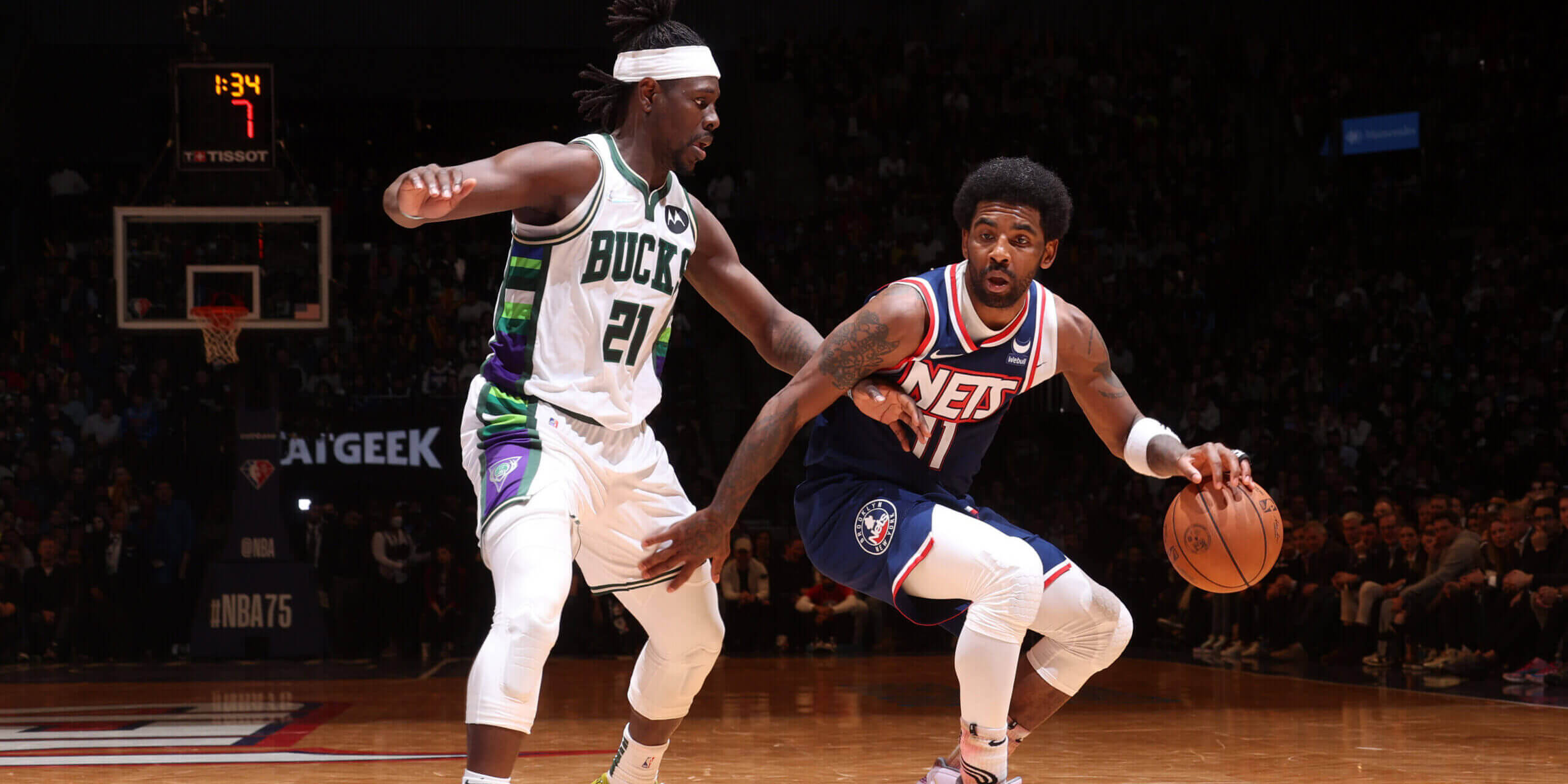
Many successful basketball programs are built on strong defensive fundamentals.
Players who understand and consistently execute these principles can provide a team with a foundation that remains valuable throughout an entire season.
The following progression uses 3-on-3 situations to teach and reinforce basic defensive habits.
The main objectives are:
- defensive stance and positioning,
- stopping penetration,
- helping and recovering,
- defending cuts,
- defending screens,
- protecting against weak-side cuts,
- closing out on shooters,
- and finishing the possession with a box-out.
These concepts should be practiced repeatedly until they become part of the players’ defensive behavior.
General Coaching Points
Each sequence can be performed for approximately one minute, with players alternating between offense and defense.
Throughout every drill, emphasize:
- proper defensive stance,
- communication,
- aggressiveness,
- and correct positioning.
The details of each action may change, but these principles should remain constant.
1. Defensive Stance and Positioning
Place three offensive players on the perimeter:
- one at the top,
- one on each wing.
Each offensive player has a defender.
Start with the ball at the top.
The offense passes the ball around the perimeter while remaining stationary.
The defenders adjust their positions according to the movement of the ball.
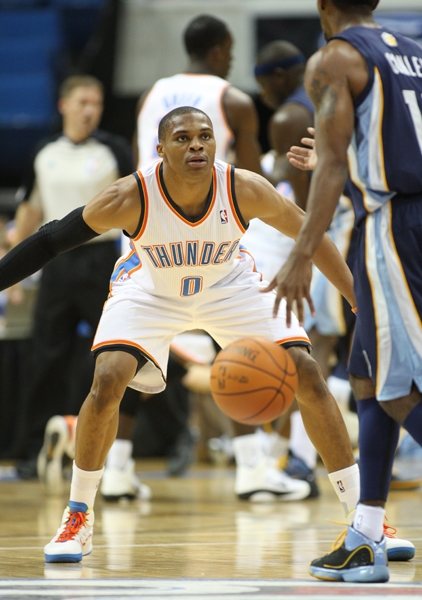
Emphasize the correct defensive stance in three situations:
- guarding the ball,
- playing in help position,
- denying or pressuring the next pass.
Defenders should react to the pass, not simply to ball fakes.
The purpose of the drill is to teach players that defensive positioning constantly changes as the ball moves.
2. Stop the Drive — Help and Recover
The offense now attempts to penetrate through the gaps between defenders.
The first objective is for the on-ball defender to contain the drive.
If penetration occurs, an off-ball defender must help.
Once the penetration has been stopped, the helper must recover quickly to the original assignment.
The sequence becomes:
contain → help → stop the drive → recover
Players should understand that help defense does not replace individual defense.
The first responsibility is still to stop the ball.
3. Defend the Cut
Pass the ball from the top to a wing.
After passing, the offensive player cuts toward the basket.
The defender of the passer must immediately adjust position in the direction of the ball and prevent the cutter from receiving an easy pass.
Emphasize:
- pressure on the ball,
- movement into the passing lane,
- seeing both ball and player,
- and preventing a clean catch near the basket.
Once the action is completed, rotate an offensive player back to the top and reverse the ball.
4. Defend the Screen
Pass the ball from the top to a wing.
The passer then moves to set an off-ball screen for the opposite wing.
The defender guarding the screener must move in the direction of the pass and create enough space for the teammate to navigate the screen.
At the same time, the defender must remain aware that the screener may:
- roll toward the ball,
- slip the screen,
- or become available after contact.
The defender guarding the cutter must find a path around the screen and regain a functional defensive position.
The exact screen-defense technique can vary according to the team’s system.
The objective remains the same:
do not allow the screen to create an uncontested scoring opportunity.
5. Defend the Weak-Side Cut
When an offensive player cuts from the weak side toward the basket, the help-side defender should position between the ball and the assigned player.
The defender should make the cut difficult and influence the offensive player away from the basket.
At the same time, there must be pressure on the ball.
If the ball handler is allowed to see the entire floor comfortably, weak-side cuts become much more dangerous.
As the weak-side player cuts toward the middle, the other offensive players rotate accordingly.
The defense must adjust with them.
6. Close Out and Box Out
The final phase emphasizes finishing the possession.
When the coach calls:
“Shot!”
the offensive player takes the shot.
The defender guarding the shooter should also communicate:
“Shot!”
All three defenders must immediately find their players, make contact and box out.
The defensive sequence is not complete when the shot leaves the hand.
It is complete when the defense secures possession.
After the rebound, the player makes an outlet pass to the coach and the repetition ends.
Why 3-on-3 Works
Three-on-three basketball creates an excellent teaching environment because every player is involved.
There is enough space for players to recognize:
- positioning,
- penetration,
- help,
- recovery,
- cuts,
- screens,
- and rebounding responsibilities.
At the same time, the situation remains simple enough for the coach to stop the action and make corrections.
Progressions and Variations
These drills can easily be modified.
For example:
- place one offensive player in the low post and work on post defense,
- allow direct wing-to-wing passes,
- introduce more aggressive denial,
- change the type of screen,
- allow live penetration,
- or add different offensive movements.
The number of possible variations is almost unlimited.
The important point is that every variation should reinforce the same defensive principles.
Build Habits Before Building Systems
The value of 3-on-3 defense is not the drill itself.
The value is the opportunity to teach habits.
Players learn to:
- move when the ball moves,
- communicate,
- protect the basket,
- help teammates,
- recover,
- defend cuts,
- negotiate screens,
- close out,
- and finish possessions with rebounds.
Once these habits become automatic in 3-on-3, they can be transferred into 4-on-4 and eventually full 5-on-5 team defense.
Strong team defense begins with simple situations performed correctly again and again.