
Címke: switching

  • Help and Switch: Defending the Three-Point Shot

    Help and Switch: Defending the Three-Point Shot

    Basketball is a constant tactical duel.

    Whenever the offense develops a new weapon, the defense must understand it and find an appropriate response.

    The same process then begins again in the opposite direction.

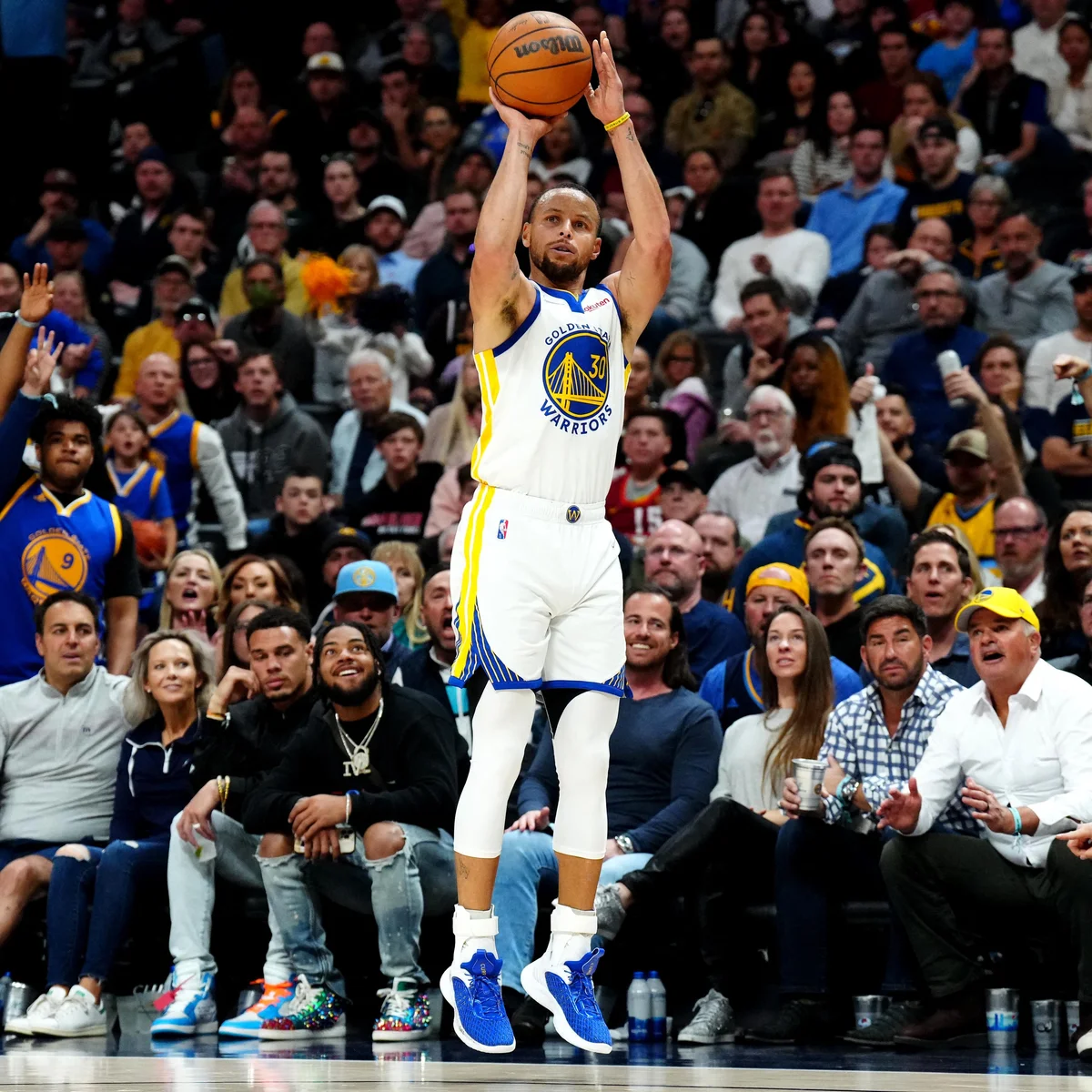
    One of the offensive developments that changed this relationship was the three-point shot.

    As teams learned to use penetration followed by a kick-out pass to the perimeter, defenses had to find new ways to protect both the basket and the three-point line.

    The Problem with Drive-and-Kick Offense

    A common offensive action is simple:

    penetrate toward the basket, force defensive help, then pass the ball back outside to an open three-point shooter.

    The traditional defensive response is help and recover.

    A defender leaves his own player temporarily to stop penetration, then attempts to recover back to the original assignment.

    This can work.

    But it creates an important problem.

    If the offense and defense execute at approximately the same level, the offense often has the advantage.

    The help defender must travel toward the basket.

    Then, after the kick-out pass, that same defender must cover a much greater distance to return to the perimeter.

    That recovery can be too long.

    Since the Introduction of the Three-Point Shot

    The three-point line increased the distance a defender must cover when recovering to an outside shooter.

    Before the three-point shot, imagine a player making 40% of long two-point attempts.

    That would produce:

    0.40 × 2 = 0.80 points per attempt

    A shot from the same distance worth three points produces:

    0.40 × 3 = 1.20 points per attempt

    The same shooting percentage therefore creates a much more valuable offensive result.

    That changes the defensive calculation.

    Allowing a clean kick-out shot to a strong three-point shooter can be extremely costly.

    Help and Switch

    One possible solution is Help and Switch.

    The principle is simple.

    When a defender helps stop penetration, that defender stays with the ball handler instead of trying to recover immediately to the original assignment.

    The defender who was beaten on the drive then rotates toward the basket and picks up the offensive player who was left open by the helper.

    In other words:

    help does not automatically mean recover.

    Sometimes help should lead directly into a switch.

    How the Rotation Works

    Imagine Player 1 drives toward the basket.

    Defender A is beaten.

    Defender B leaves Player 2 and helps stop Player 1.

    Under a traditional help-and-recover system, B would then attempt to return to Player 2.

    Under Help and Switch, B remains on Player 1.

    Defender A, instead of chasing the original matchup, rotates toward the open Player 2.

    This can shorten the defensive recovery distance and provide a better chance of contesting the perimeter shot.

    Help and Double Switch

    There are situations in which even the first switch may not be fast enough.

    Suppose:

    • Player 1 is an excellent passer,
    • Player 2 is a dangerous quick-release shooter,
    • and the offense can immediately exploit the first defensive rotation.

    In this case, the defense can use a Help and Double Switch.

    A third defender rotates outward toward the dangerous shooter as soon as the pass leaves the ball handler’s hands.

    The remaining defenders then reorganize the other matchups behind the play.

    This option may be especially useful when the coaching staff has identified a specific perimeter player as a major three-point threat.

    The System Looks Simple — Execution Is Not

    Help and Switch may appear easier than Help and Recover.

    Conceptually, it is.

    Executing it correctly is much more difficult.

    Several rules must be followed.

    Rule 1: Allow as Few Penetrations as Possible

    Help and Switch is a solution to penetration.

    It should not become an excuse for allowing penetration.

    If the on-ball defender is beaten repeatedly, the defense will eventually break down regardless of how sophisticated the rotations are.

    The first responsibility remains:

    contain the ball.

    Rule 2: Communicate

    Communication is essential.

    When the on-ball defender realizes help is needed, the defender must communicate.

    When the helper commits to the ball and a switch occurs, that information must also be communicated loudly and clearly.

    If a third defender initiates the Double Switch, the same rule applies.

    Every player involved must know that the defensive assignments have changed.

    Silent switching produces confusion.

    Rule 3: Put Immediate Pressure on the Ball

    Once the helper takes over the ball handler, there must be immediate pressure on the ball.

    The offensive player should not be allowed to:

    • shoot comfortably,
    • make an easy pass,
    • or calmly read the next defensive rotation.

    The purpose of the help is not merely to stand in front of the penetration.

    It is to disrupt the offense.

    Rule 4: Sprint to the Open Player — but Under Control

    The defender who has been helped should immediately rotate toward the newly open offensive player.

    This must be done quickly.

    But the defender should not simply sprint blindly toward the perimeter.

    The recovery angle matters.

    The defender should protect against the most dangerous immediate action.

    Protect the Basket First

    The recovering defender should not run directly toward the outside shooter if that creates an open driving lane to the basket.

    Instead, the defender should take a path that protects the paint and intersects the offensive player’s potential drive.

    This is an important principle.

    An uncontested three-point shot is dangerous.

    But an uncontested layup is even more damaging.

    The defense must therefore close the space while still protecting the basket.

    Know the Opponent

    The Help and Switch system becomes more effective when the defense knows the tendencies of the offense.

    Before the game, coaches should identify:

    • the best penetrators,
    • the best passers,
    • the quickest-release shooters,
    • the most dangerous three-point shooters,
    • and the players the defense is willing to help away from.

    Not every offensive player represents the same threat.

    The rotation can therefore be adjusted according to personnel.

    Defense Is a Chain Reaction

    Drive-and-kick offense forces the defense to make consecutive decisions.

    The first defender must contain.

    The helper must decide when to commit.

    The beaten defender must rotate.

    A third defender may need to switch again.

    All of this must happen in a very short period of time.

    That is why three-point defense is not simply the responsibility of the defender guarding the shooter.

    It is a team defensive problem.

    The quality of the closeout often depends on what happened several actions earlier.

    Help, Switch and Recover with Purpose

    The introduction of the three-point shot changed the geometry of basketball.

    Defenders now have greater distances to cover.

    Offenses can punish late help more severely.

    For that reason, the traditional instruction to simply “help and recover” may not always be enough.

    Sometimes the better solution is:

    help and switch.

    Against especially dangerous shooters, the answer may be:

    help and double switch.

    Whatever system is used, the principles remain the same:

    • contain penetration,
    • communicate,
    • pressure the ball,
    • rotate quickly,
    • protect the basket,
    • and know which shooters cannot be left open.

    Good defense is not merely reacting to the offense.

    It is understanding what the offense is trying to create — and arriving at the next solution first.
  • Team Defense at U16 Level

    Team Defense at U16 Level

    “You cannot win against a team of similar ability by using only one type of defense.”

    The Challenge of Moving into Cadet Basketball

    When players enter the cadet age group, teams suddenly begin to face many of the demands associated with senior basketball.

    Opponents become:

    • taller and physically stronger,
    • faster,
    • more effective from long range,
    • stronger and quicker passers,
    • capable of using the entire court,
    • faster with the ball,
    • more deliberate in identifying defensive weaknesses,
    • and more dangerous at every position.

    Positional play becomes increasingly important.

    Teams also develop more ways to score. Games can no longer be decided consistently by one dominant player.

    Alongside motion offense, isolation play and more controlled offensive systems begin to appear more frequently.

    Every player becomes a greater offensive threat than at younger age levels.

    Defensive Development Must Be Gradual

    It is impossible to prepare players for every defensive situation within a single month.

    For this reason, defensive teaching must follow a gradual and systematic progression.

    Ideally, the teaching process should also be consistent across age groups.

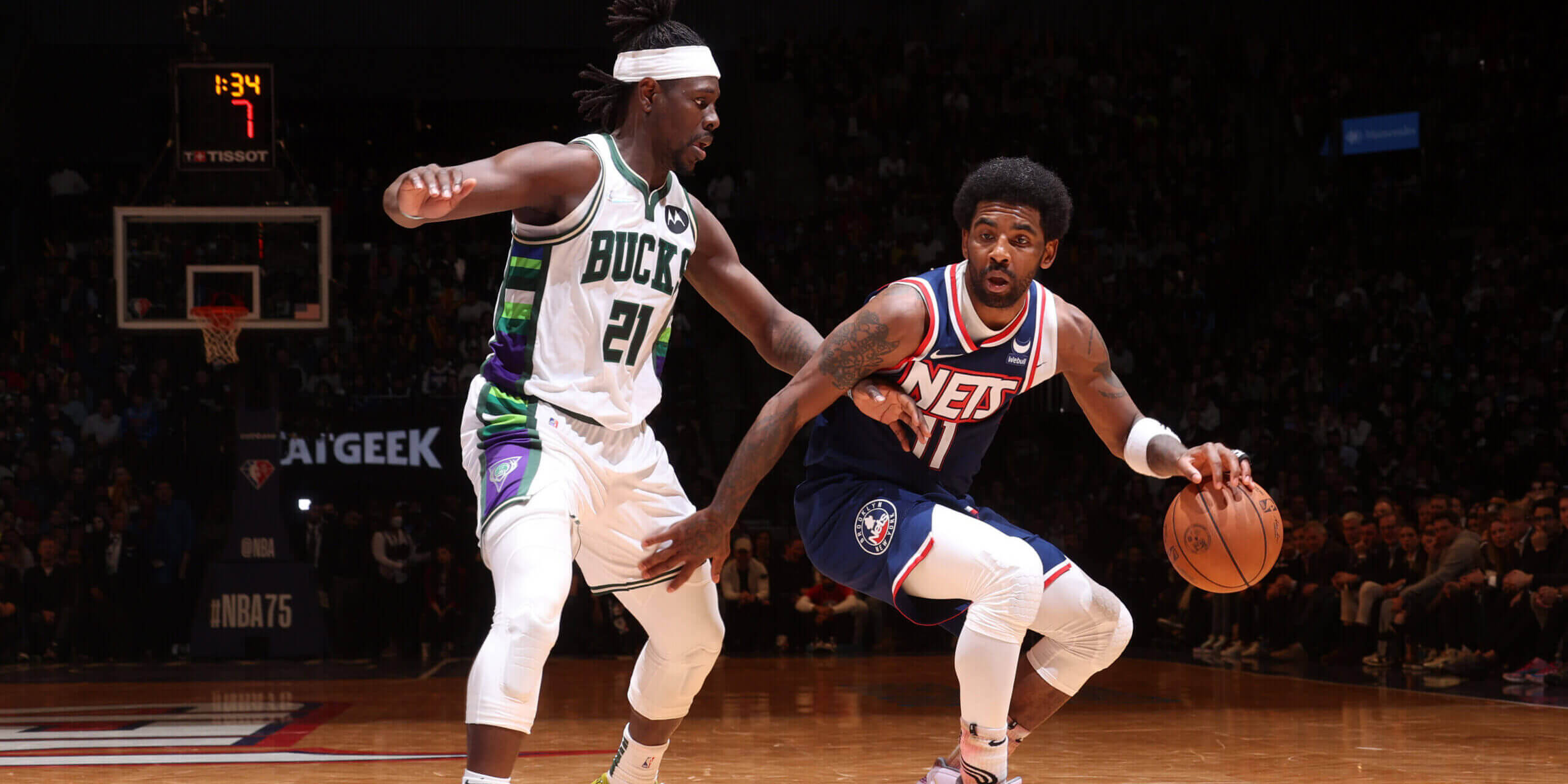
    In several previous Hungarian cadet national finals, compact zone defense had been the most commonly used defensive strategy.

    This later began to change.

    Using zone defense extensively at cadet level can sometimes reflect a philosophy in which the immediate result justifies the method.

    The problem is that players may win games without learning defensive skills that will remain effective against stronger opponents later in their careers.

    Our Responsibility as Coaches

    Defensive development across age groups should be interconnected.

    Each younger age group should prepare players for the requirements of the next.

    The system must therefore be forward-looking.

    Winning cannot become an isolated objective.

    The goal should be to win while teaching principles that remain developable and transferable to higher levels of basketball.

    For this reason, individual defensive fundamentals should already be taught consciously in the earliest age groups.

    They form the foundation of everything that comes later.

    What Should Cadet Players Know?

    The objective here is not to present a complete series of drills or describe the entire teaching process.

    Instead, the purpose is to identify the defensive knowledge and responsibilities that cadet players and teams should possess.

    Before each drill, players should understand:

    • what the coach wants to see,
    • what the objective of the exercise is,
    • and which defensive habits are being developed.

    Start with Footwork

    Defensive teaching begins with footwork.

    The movement patterns required later in team defense must first be prepared individually.

    Players must learn how to maintain balance, change direction, contain penetration and remain connected to their defensive responsibilities.

    Fundamental Defensive Principles

    Force the Offense Toward the Sidelines

    One fundamental principle is to influence the direction of the ball handler.

    The defense should not simply react.

    It should attempt to dictate where the offense can go.

    Contact

    Players must learn how and when to use legal physical contact.

    As players become older and stronger, avoiding contact is no longer a realistic defensive strategy.

    Staying Attached

    Defenders must learn to remain connected to offensive players through cuts, movement and screening actions.

    Switching

    Players must understand when switching is appropriate and how responsibility changes between defenders.

    Defending Cuts

    Off-ball cuts must be recognized early.

    Players should understand both positioning and communication when defending cutters.

    Help Defense

    Help-defense principles should develop progressively from one age group to the next.

    Players must learn how to help without completely abandoning their own defensive responsibility.

    Important elements include:

    • helping when strong pressure is applied to the ball,
    • protecting passing lanes,
    • helping and recovering,
    • defending the first pass,
    • and preventing easy reversals of the ball.

    The degree of help and recovery should be introduced gradually according to the developmental level of the players.

    Defending Ball Screens

    Cadet players should begin to understand several possible solutions against the pick-and-roll.

    These include:

    Staying Attached

    The defender stays with the ball handler and works around or through the screen while maintaining parallel defensive footwork.

    Containment Away from the Three-Point Line

    The defender and screener’s defender can influence the ball away from dangerous shooting areas.

    Show and Recover

    The screener’s defender temporarily steps toward the ball handler before returning to the original assignment.

    Show, Switch Back

    The defense temporarily changes responsibility and then returns to the original matchup.

    Trapping

    Two defenders aggressively attack the ball handler.

    Players must also understand that ball-screen defense can change depending on the location of the screen:

    • middle pick-and-roll,
    • full-court situations,
    • side pick-and-roll,
    • and actions below the free-throw line.

    Defending Consecutive Screens

    Players must also learn how to defend more complex screening sequences.

    An example is screen-the-screener action, where the player who sets one screen immediately receives another.

    These situations require:

    • communication,
    • anticipation,
    • recognition,
    • and clearly defined switching or coverage rules.

    Special Defensive Situations

    Cadet players should gradually learn how to defend specific game situations.

    These include:

    • inbound plays,
    • free-throw situations,
    • transition after a quick basket,
    • transition after a turnover,
    • transition after a poor shot,
    • disadvantage situations,
    • and broken or unorganized defensive situations.

    These moments are part of team defense just as much as organized half-court defense.

    Defensive Rotations

    Rotation responsibilities become increasingly important as team defense develops.

    Players should understand rotations when:

    Trapping a Ball Screen

    The remaining defenders must rotate behind the trap to protect the most dangerous passing and scoring options.

    Trapping the Low Post

    Once a double-team is committed to the post, the other defenders must adjust their positioning and protect the next available offensive options.

    Defending Interior Players

    Cadet players should become familiar with different approaches to post defense.

    These include:

    • three-quarter fronting,
    • full fronting,
    • trapping,
    • and defending interior players who roll or cut toward the basket.

    Post defense should not be treated as the responsibility of centers alone.

    Team positioning and help responsibilities are equally important.

    Boxing Out and Transition

    A defensive possession does not end when the opponent shoots.

    Players must finish the possession with a rebound.

    For this reason, boxing out is an essential part of team defense.

    Players must also understand the transition between the two phases of the game:

    • offense to defense,
    • defense to offense.

    Transition responsibilities should become automatic.

    Principles of Zone Defense

    Cadet players may also begin learning the principles of both even-front and odd-front zone defenses.

    However, zone defense should not replace fundamental defensive development.

    The same basic principles still apply.

    Pressure the Ball

    Zone defense does not mean allowing the ball handler to play comfortably.

    Never Leave a Shooter Completely Open

    Players must recognize dangerous shooters and adjust positioning accordingly.

    Every Defender Must Have an Active Responsibility

    No player should simply occupy an area without purpose.

    Each defender must:

    • read the ball,
    • communicate,
    • move,
    • help,
    • and take responsibility.

    Pressing Zones and Defensive Transition

    Players should also become familiar with pressing zone defenses.

    After the press, the team must be capable of organizing into either:

    • zone defense,
    • or man-to-man defense.

    This transition must be practiced rather than improvised.

    Special Defensive Assignments

    More advanced cadet defensive education can also include specific tactical tasks.

    Examples include:

    Defending a Weak Ball Handler

    The defense may deliberately increase pressure or create trapping situations against an opponent with weaker ball-handling ability.

    End-of-Game Defense

    Late-game situations require special rules concerning:

    • time,
    • score,
    • fouls,
    • matchups,
    • and shot selection.

    Defending Elite Shooters

    Extra attention may be required against outstanding shooters.

    Players must understand how positioning, denial, switching and help responsibilities change when a particular opponent represents an exceptional shooting threat.

    Building Defense Across Age Groups

    Defensive concepts should develop progressively.

    Players should first learn individual fundamentals and basic team positioning.

    They can then progress toward:

    • helping toward the ball,
    • defending screens by staying attached,
    • switching,
    • trapping,
    • defending positional play,
    • and handling more complex team actions.

    The development should continue into junior and U20 basketball, where players will encounter increasingly advanced situations such as:

    • shooting over defenders,
    • isolation offense,
    • complex screening actions,
    • and more sophisticated transition play.

    Defensive Rules

    As players progress, the team should establish increasingly clear defensive rules.

    These may include:

    • automatic switches in defined areas,
    • principles for avoiding mismatches,
    • predetermined trapping locations,
    • rules for initiating traps,
    • and rules governing switching defenses.

    The objective is not simply to teach several defensive systems.

    The objective is to develop players who can recognize situations, communicate, make decisions and execute different defensive solutions together.

    At cadet level, this becomes one of the most important steps toward senior basketball.