Szerző: BasketClinic

  • Four Aspects of Offense

    Four Aspects of Offense

    We divide our offense into four main parts:

    1. Early offense
    2. Motion offense
    3. Controlled half-court offense against a set defense
    4. Isolation

    Each phase has a different purpose, but together they create a complete offensive system.

    1. Early Offense

    Fast break and secondary break are our primary tools for attacking before the defense becomes organized.

    The secondary break I teach is different from what many other teams use.

    That difference itself can become an advantage.

    If opponents have to spend additional time preparing specifically for our offense, they have less time to work on their own system.

    Our secondary break is designed to create quick, high-quality scoring opportunities.

    We do not simply run with the ball.

    We sprint with it.

    There is a difference.

    We want to attack at full speed and create either:

    • a layup,
    • an easy shot,
    • or an immediate advantage.

    Our goal is to punish every opponent who fails to sprint back on defense.

    If the defense does recover and there is no immediate, accurate and high-quality scoring opportunity, we begin moving the ball.

    From there, we search for:

    • a prepared quality shot,
    • or an opportunity to play inside.

    Attack the Paint Aggressively

    We want to attack the paint with aggression.

    If our secondary break works effectively, we should be able to win many games from the free-throw line.

    One important objective is to attempt more free throws than the opponent.

    If we sprint the floor hard enough, the defense has to react.

    Speed places defenders under pressure.

    If they cannot keep up, they are often forced to foul.

    2. Motion Offense

    If we do not create a scoring opportunity from the break or from the first series of quick passes — for example, after reversing the ball to the opposite side — we enter our motion offense.

    This phase gives players enough creative freedom to play basketball.

    That requires an important coaching distinction:

    We must teach players how to play, not only what to play.

    The objective is to make every player better.

    If every individual improves, the team improves as well.

    The fast break can be stopped.

    And it is unrealistic to expect every point to come from controlled half-court offense.

    When both the transition game and structured offense fail to create an advantage, players must still be capable of making plays.

    Four Roles Within the Motion Offense

    I divide our motion offense into four main roles:

    • ball handlers,
    • screeners,
    • cutters,
    • interior players.

    Each component should be taught in detail.

    We begin with simple situations such as 2-on-0.

    Then we add defenders.

    Step by step, the teaching progresses through increasingly complex situations until players can execute the principles in:

    • 4-on-4,
    • and eventually 5-on-5.

    By building the system through these smaller components, the complete motion offense gradually develops.

    Every Player Must Understand Every Role

    One of the most important principles of the system is that every player must know, practice and apply different roles.

    At certain moments, any player may have to perform almost any responsibility.

    If we want to exploit mismatches, our interior players must be capable of making entry passes.

    At the same time, our guards must understand post play.

    We therefore need to develop players who are comfortable with every major element of the motion offense.

    These skills will also improve our controlled half-court offense.

    3. Controlled Half-Court Offense

    We only enter our controlled half-court offense when neither the early offense nor the motion offense produces a quality shot.

    If approximately 12–13 seconds pass without a clear and efficient scoring opportunity, we begin our structured offense.

    Many teams prefer to run their controlled sets first.

    Only when those actions fail do they begin to play more freely.

    I want to do the opposite.

    I want our team to play differently from most opponents.

    That makes preparation against us more difficult.

    Opponents do not enjoy spending twenty seconds repeatedly working in a defensive stance while trying to contain continuous offensive movement.

    Search for High-Percentage Finishes

    Our controlled offense primarily searches for opportunities near the basket rather than outside shots.

    The main exception is when we specifically need a three-point field goal.

    Structured offense must always be designed around the strengths and weaknesses of the players available.

    For example, it makes little sense to design a final action around a lob pass if the personnel cannot execute that action consistently.

    The offense should emphasize strengths.

    It should not expose weaknesses unnecessarily.

    Every Play Needs Multiple Options

    Each set should contain two or three possible finishing options.

    Our primary target may be the center — the 5 — but we should also create opportunities for other players, such as the 4 or the 2.

    The center may become tired.

    The defense may remove the first option.

    When that happens, another player or another part of the action must become more important.

    Multiple options also make it easier to adjust when the defense reacts successfully.

    The goal is to make a good decision when the primary option is taken away.

    Attack the Opponent’s Weaknesses

    Controlled offense allows us to target weaknesses in the opponent’s defense.

    Sometimes it is difficult to explain every individual weakness to the players during a game.

    But by selecting the correct play, we can attack that weakness without needing a long explanation.

    For example, if the opponent’s center cannot defend our 5 on the perimeter, we can run an action that forces that defender away from the basket.

    The right play can also help keep the ball away from players who should not be asked to handle it excessively.

    The offensive structure itself can guide decision-making.

    How Many Plays Do We Need?

    In my experience, we may begin a season using approximately 8–12 controlled offensive plays.

    By the end of the season, that number often decreases to around 6–8.

    Why?

    Because there may only be roughly 20–25 controlled half-court possessions in a game.

    The remaining shots come from:

    • early offense,
    • motion offense,
    • zone offense,
    • or isolation.

    During the first half of the season, we evaluate which plays fit the team best.

    Over time, the players themselves begin to reveal which actions are most useful.

    There is no need to worry that opponents will completely scout us simply because we use only six primary plays.

    Each play can contain several possible finishes.

    If the defense finds one effective way to stop an action, we can react quickly through the other options built into it.

    4. Isolation

    We do not use isolation very often.

    However, when the shot clock is approaching its final seconds, it is extremely useful to have a player who can create a scoring opportunity individually.

    If early offense, motion offense and controlled offense have all failed, we need another solution.

    At that point, we put the ball into the hands of our most creative player.

    Then we either:

    • clear the floor,
    • or provide a screen.

    But we want to avoid the hero shot.

    That is the type of shot where, if it goes in, the crowd erupts and the player becomes a hero.

    If it misses, everyone simply says:

    “Well, it was almost impossible anyway.”

    That is not the kind of offense we want.

    Isolation Must Be Practiced

    Creative players also need to practice the exact situations they are likely to face late in possessions.

    Isolation should not mean improvisation without preparation.

    We need actions that can reliably create a legitimate scoring opportunity within approximately seven seconds.

    The objective is not to ask a player to perform a miracle.

    The objective is to give the right player enough space, structure and preparation to create a good shot.

    Bringing the Four Aspects Together

    A complete offense cannot depend on only one method of scoring.

    Transition can be stopped.

    Motion offense will not always create an advantage.

    Controlled sets can be defended.

    And isolation should never become the primary solution.

    The strength of the system comes from connecting all four phases.

    We begin with speed.

    If that does not produce an advantage, we flow into movement.

    If the defense remains organized, we use controlled offense.

    And when the possession reaches its final stage, we rely on a prepared creative solution.

    The purpose is not simply to run plays.

    It is to develop players who understand when to run, when to move, when to execute and when to create.
  • Not Just One Thought Troubles Me…

    Not Just One Thought Troubles Me…

    Let me tell you what I have noticed.

    And what has been troubling me.

    I want to talk about how people’s outlook is changing, why so much energy seems to be wasted these days, and — in my own way — answer a question that often comes up:

    Do people from our neighboring countries really have a different mentality?

    The thought returned to me strongly tonight.

    After coming home from a late practice following the Regional University Cup, I turned on Sport1 and watched Slovakia produce an impressive victory over Spain’s elite national football team.

    It immediately made me wonder what might happen to our own team on Saturday.

    And from there, my thoughts continued.

    Too many things had happened recently to ignore them.

    An Opportunity That Has Never Been Greater

    Perhaps the most important thing to say first is that I believe the opportunities available to high-school and university basketball players at DEAC have rarely been as open as they are today.

    That does not mean these young people do not face the same everyday challenges as their peers in Debrecen.

    Of course they do.

    But at DEAC, we try to make sure our players feel that someone is looking after them — both on and off the court.

    That requires everything from us as coaches.

    Tamás Széchy once described his own work in a way that captures this feeling perfectly: when sport becomes something more than work, sacrifice or fatigue, it becomes a form of love.

    That is how I understand it as well.

    Respect for sport.

    Respect for athletes.

    And, yes, affection for the people we work with.

    That is what keeps us moving forward when new problems appear every single day.

    This is the challenge.

    We have to meet the expectations placed upon us.

    Players expect help.

    They expect encouragement.

    They expect to be taught.

    They expect something new.

    Teaching Players to Win

    And this is where the real difficulty begins.

    Not everyone starts from the same point.

    Not everyone is equally competitive.

    Not everyone possesses the same fighting spirit.

    Not everyone is naturally a winner.

    That is exactly why we have to work every day to teach our players how to win.

    Some players first have to learn that they should want to win.

    Others already want it, but have to learn how to win.

    And there are many more stages beyond that.

    It can therefore be painful when someone simply turns away from what the program can offer, both now and in the future.

    At DEAC, we tried to build basketball in a way that would allow the game to become a lifelong part of our players’ lives.

    We wanted them to remain connected to their roots.

    We wanted the club and the basketball program to represent something deeper than simply another team they once played for.

    Naturally, there will always be people who do not want that.

    Even when they receive support every day that they may struggle to find elsewhere.

    Because within a club, players can collect experiences, relationships and values through the game itself.

    And those things are not insignificant.

    Nor are they free.

    Something Different

    But lately I have noticed something else.

    There seems to be something different driving some of the international students who have recently joined us.

    Why do I think so?

    Come to one of our practices.

    The difference is difficult to miss.

    Let me give a few examples.

    Palli

    We decided that, if possible, we would arrange a playing license for Palli, our Icelandic medical student.

    There is a great deal we can learn from him about the mental side of basketball.

    His values and competitive spirit can contribute significantly to our team, and he is an extremely likable personality.

    As an international student, he is investing a considerable amount of money in becoming a doctor at the University of Debrecen.

    This is already his second year with both our senior team and our university squad.

    It is therefore a pleasure for us to recognize and appreciate the example he sets through his work.

    Giovanni

    Then there is another story.

    On the very first day of the university teaching semester, we were practicing in the sports hall when a young man — clearly an international student — asked if he could come in and watch.

    At the end of practice, he approached me.

    He explained that he would be studying at our university for five or six months.

    He had arrived from Sardinia and normally played basketball in the Italian Serie C.

    And there was one detail that stayed with me:

    He had not even spent a single night in Debrecen yet.

    He had arrived in a completely new city and somehow found us immediately.

    He found his way because basketball was already somewhere inside him.

    Since then, he has practiced with us regularly.

    Sometimes he even joins the most ambitious players for morning workouts.

    We offered him opportunities to compete in U21, NB II and the University Championship.

    His excitement was unmistakable.

    He told us:

    This is where I belong.

    His attitude is so positive that sometimes his presence alone makes preparing for practice worthwhile.

    From a coaching perspective, integrating a player like this also creates an interesting challenge.

    How can we save time?

    How can we teach him our team concepts quickly?

    How can we bring someone into an established system efficiently?

    But it is worth the effort.

    Giovanni deserves it.

    Anže

    And the story does not end there.

    On that same day, I received an email from a Slovenian basketball player asking whether he could join our program as a fifth-year medical student.

    He would be spending an entire year in Debrecen.

    That meant we had a whole season in which we could teach him — and in which his presence might teach us something as well.

    The 23-year-old did not miss a practice after joining us.

    And then today, something happened that left a particularly deep impression on me.

    His first university game started slowly.

    He struggled to find his rhythm.

    But as the game continued, he began to show what we had already seen in practice.

    By the end of the day, he had become one of the leaders of our team.

    His positive attitude had influenced the players around him from the very beginning.

    After our second game, there was a ninety-minute break.

    At 8 p.m., approximately ninety percent of the university team also turned up for the combined senior and U23 practice.

    Before practice started, he walked over to me.

    He said he needed to apologize.

    He did not yet know what the next few days would look like.

    His parents were already travelling from Slovenia to pick him up and take him home.

    Between the games that day, he had learned that his grandfather — the central figure of his family — had passed away.

    He told me that he did not want to miss anything.

    He simply did not yet know whether the funeral would be on Monday or Tuesday.

    His parents would take him home the following day.

    And still, while dealing with the loss of someone he loved, he was thinking about basketball.

    He desperately wanted to be here for his first NB II game.

    He just did not know whether he would be able to return in time for Tuesday’s match.

    I struggled to find the right words.

    What could I possibly say?

    The loss of someone we love overrides everything else.

    Anže Bobek had been playing with us for only about a month.

    After beginning his medical studies, he had continued basketball only as a hobby.

    Essentially, he had not competed seriously for approximately seven years.

    But nobody watching him would believe that.

    He could step into the senior team at any time.

    What They Brought With Them

    These young men brought something different into our gym.

    Something that I personally need almost as much as food.

    Their attitude helps me renew myself.

    It makes me happy that, without asking for anything in return, they give us both moral and physical motivation.

    I know that energy will help our team through difficult periods.

    And I know I am not the only person within the group for whom these unspoken things matter.

    Perhaps this is the example we need.

    Perhaps this is the secret.

    Not nationality.

    Not some mystical difference between countries.

    But values.

    Commitment.

    Initiative.

    Gratitude.

    The desire to belong.

    And the willingness to work for something simply because it matters to you.

    Sometimes the best lessons arrive without anyone formally teaching them.

    You simply have to recognize them when they walk into your gym.

  • An Anxious Genius

    An Anxious Genius

    Kobe Bryant’s Return Did Not Go the Way We Expected

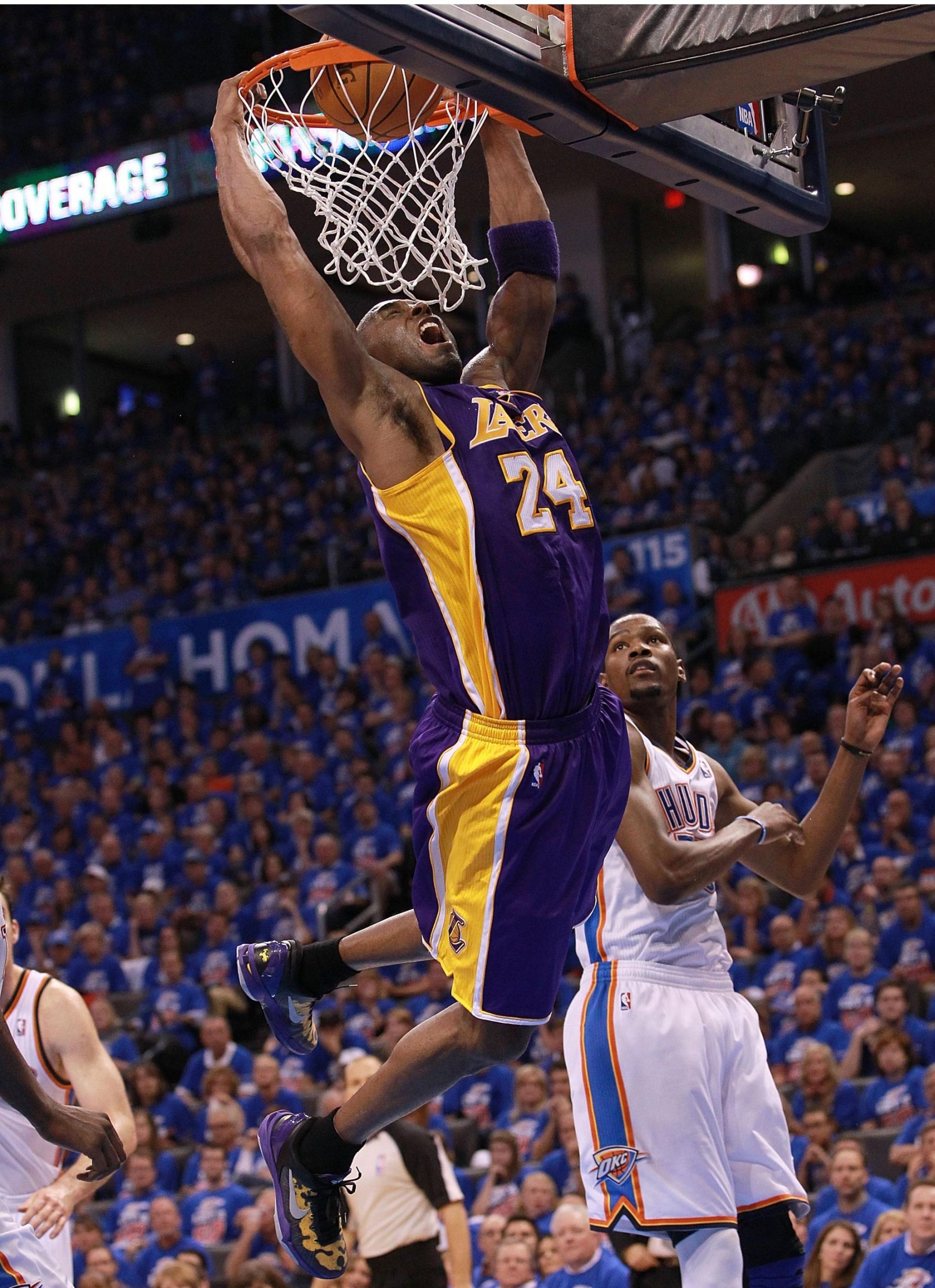
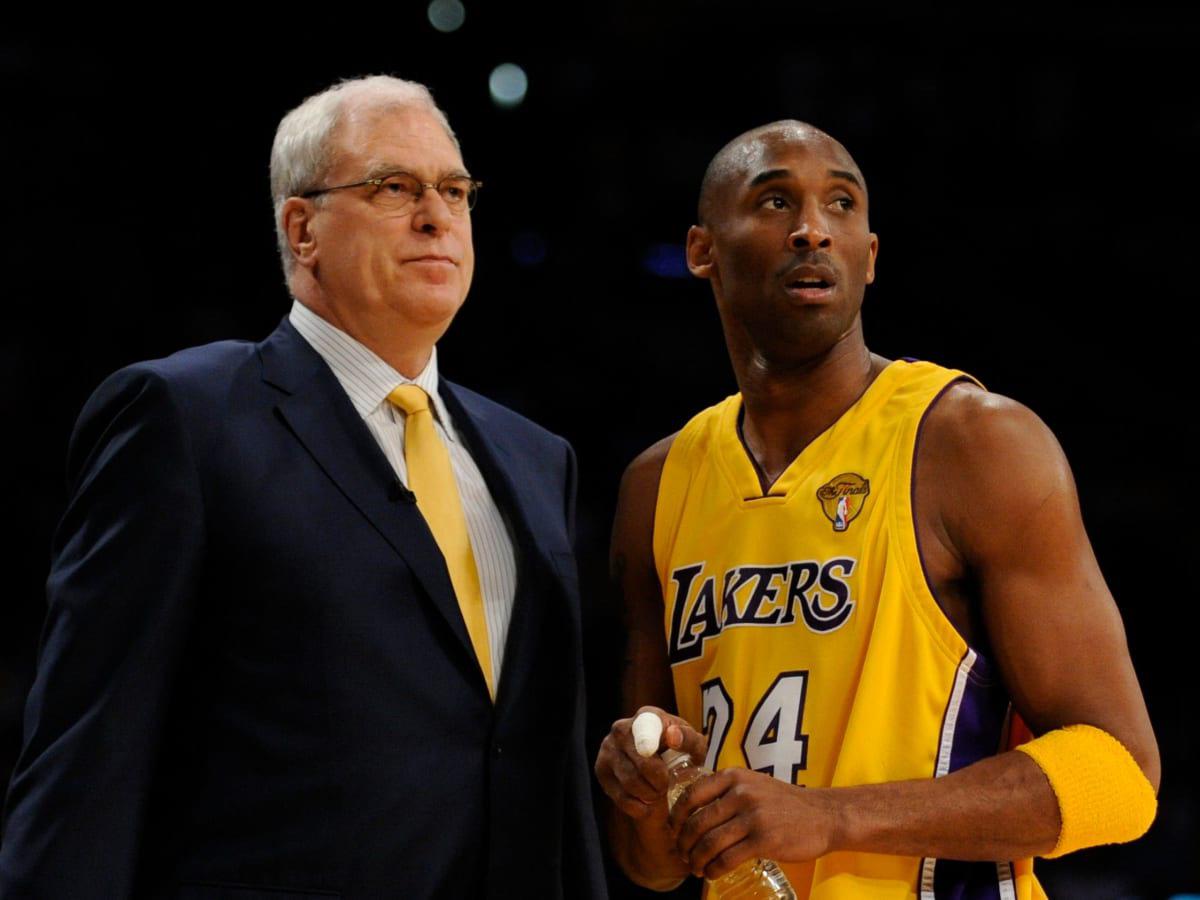
    As a youth basketball coach, I experienced a strangely familiar feeling when I stayed up that night to watch one of the greatest players of all time return to the court on NBA TV GameTime.

    Despite the 3:30 a.m. start, I was genuinely excited to see how the icon would perform.

    Just as millions of people had supported Derrick Rose during his comeback, millions were now hoping for Kobe Bryant to succeed — whether they were Lakers fans or not.

    Something Was Different

    Kobe’s body language made it obvious that he was fighting with himself.

    He desperately wanted to meet the expectations surrounding his return.

    For several minutes, he barely attacked the basket.

    Instead, he tried to contribute by creating opportunities for others.

    Defensively, he seemed to overcompensate.

    He frequently looked toward his teammates, searching for connection and reassurance.

    The familiar ease was missing from his game.

    He appeared to be forcing himself into the rhythm of the match.

    Even after creating assists, very little changed.

    Some of his passes — including one to Pau Gasol — showed flashes of his extraordinary vision, yet even while searching for safe solutions he occasionally drifted into risky decisions.

    One pass even seemed to surprise Jonas Valančiūnas so much that he almost forgot to raise his hands to intercept it.

    There was no real harmony in Kobe’s movement.

    The problems appeared most clearly on defense.

    During his limited minutes, he accumulated four relatively easy personal fouls, making it even harder for him to settle into the game and contribute at the level he expected from himself.

    When Confidence Begins to Shake

    There was hesitation on his drives.

    From my perspective, even his first field goal was more complicated than it needed to be. He finished with his left hand — something many people might interpret as skill rather than uncertainty.

    And of course, who am I to question Kobe Bryant?

    But he simply did not look like himself.

    You could sense it at the free-throw line.

    You could see it on some of his drives, where it was difficult to understand exactly what he intended to do at the end of the movement.

    At times, the ball almost seemed to hesitate in his hands.

    That uncertainty eventually resulted in turnovers.

    For a serious competitor, this can become one of the most stressful situations in basketball.

    And it is particularly difficult to reverse when mistakes begin to accumulate.

    Turnover.

    Foul.

    Missed shot.

    Another mistake.

    Then another.

    The Lesson

    Basketball can become a mental stress bomb.

    Every small detail can contribute either to success or failure.

    The level of expectation placed upon us — and the expectations we place upon ourselves — matter.

    So does the lack of recent competitive experience needed to meet those expectations.

    The quality of reinforcement matters.

    The number of actions and reactions experienced during practice and games matters.

    All of these impulses influence performance.

    Kobe Bryant was obviously not a youth player.

    And because he was an experienced professional, you could see him actively searching for solutions not only within the game itself but also in the way he managed the psychological conflict.

    He sought physical contact with teammates more frequently.

    He looked for encouraging expressions.

    He blew into his hands.

    He wiped his face and forehead repeatedly.

    During dead-ball situations, an uncomfortable smile occasionally appeared.

    His gestures, body language and movements reminded me of young players experiencing something new — perhaps playing in front of a larger crowd for the first time.

    As the game progressed, however, something began to change.

    His apparent tunnel vision slowly widened.

    The familiar Kobe Bryant court vision gradually seemed to return.

    Think About the Young Player

    We should therefore not be surprised when a beginner becomes anxious when entering the court.

    When a young player steps onto that four-line stage, he or she may feel as though everyone is watching.

    That feeling has to be managed.

    For coaches, this raises several important questions.

    What do we say after the player makes a mistake?

    How do we respond?

    What task do we give next?

    Can we give the player a responsibility that increases confidence?

    Can we create a situation in which successful execution provides positive reinforcement?

    These decisions matter.

    Responsibility Builds Confidence

    Kobe was also given responsibilities.

    Toward the end of the game, he even returned to his familiar role.

    His teammates trusted him with it.

    But the shots did not fall.

    Despite all his effort, he was not the player who could win the game that night.

    And that itself was instructive.

    After watching Derrick Rose return, I had now received another lesson from basketball’s strongest league.

    Everyone has to relearn the game.

    Every player needs the opportunity to perform a role.

    Every player needs meaningful responsibilities.

    They need situations in which they cooperate with teammates and experience for themselves:

    • where they currently stand in their preparation,
    • what kind of form they are in,
    • how reliable their technical skills are,
    • what their physical condition allows them to do,
    • and how they compare with the players and teams around them.

    Even the greatest players experience this process.

    In that sense, the biggest stars can sometimes look surprisingly similar to young beginners taking their first steps in organized basketball.

    Patience

    Development requires progression.

    It requires trust.

    It requires reinforcement.

    It requires practice.

    And it requires mental preparation.

    The environment surrounding the athlete also carries enormous responsibility.

    The coaching staff.

    The family.

    The media.

    The teammates.

    The broader environment.

    All of them can either help the player move forward or make the process more difficult.

    And if even Kobe Bryant needs time, confidence, repetition and patience when returning to competition, perhaps we should remember that the same is even more true for the young players we are trying to develop.

    Talent does not remove uncertainty.

    Experience does not eliminate stress.

    Greatness does not make a player immune to pressure.

    Sometimes even a genius needs time to feel like himself again.

  • Keys to Effective Full-Court Pressure

    Keys to Effective Full-Court Pressure

    Practical advice on pressing defense from the head coach of Metro State University in Denver.

    • When the offense breaks your press, the defense must remain just as solid and aggressive.
    • If you want to become a pressing team, your entire program has to be built around that mentality.
    • One of the greatest advantages for a pressing team is simply making shots. Scoring gives you more opportunities to organize and vary your pressure defense.
    • The goal of the defense should be to become disruptive.

    Step by Step

    Take the Primary Ball Handler Out of the Game

    One of the first objectives of the press should be to disrupt or remove the opponent’s primary ball handler from his usual role.

    Make someone else organize the offense.

    You Have to Be in Excellent Condition

    Pressing requires conditioning.

    The press may not immediately produce a steal, but the reward can appear later in the game as the opponent becomes increasingly tired and uncomfortable.

    Control the Tempo

    Use pressure to influence the rhythm of the game.

    Sometimes you want to speed the opponent up.

    At other times, you may want to slow them down and prevent them from comfortably entering their offense.

    Force Turnovers

    The defense should actively create mistakes.

    Do not simply wait for the offense to make one.

    Force Poor Shots

    Pressure should encourage the opponent to take:

    • rushed shots,
    • quick shots,
    • poorly prepared shots,
    • and shots outside the normal offensive rhythm.

    Pressing Is About Effort

    An effective press is not primarily about athletic ability.

    It is about effort.

    That effort has to be consistent if the defense is going to work.

    Transition into the Press

    Your team must be excellent at changing from offense to defense.

    Players have to take their positions quickly.

    The press cannot begin late.

    The first few seconds after possession changes are critical.

    Forget Your Matchup When You Trap

    When a trap is initiated, players must stop thinking only about their individual matchup.

    The team has to rotate.

    Once two defenders commit to the ball, the remaining defenders must understand the resulting responsibilities.

    Pressing and Trapping Are Not the Same Thing

    Players need to understand the difference between a pressing defense and a trapping defense.

    Not every press has to produce a trap.

    And not every trap has to occur within a full-court press.

    The purpose, timing and rotations are different.

    The “NOW!” Call

    Whenever the ball is passed to a center or another interior player in the backcourt or far away from your own basket, the entire team should immediately communicate:

    “NOW!”

    This becomes an emergency signal.

    It tells everyone that the defense has an opportunity to increase pressure.

    From that moment, your own assignment must not receive an easy pass.

    The whole team has to react together.

    Let the Big Players Experience the Front of the Press

    Occasionally place your interior players at the front of the press.

    This allows them to experience how much effort perimeter players normally have to produce at the top of the defense.

    It can improve understanding and appreciation of each player’s role within the system.

    Sometimes the Press Is Only There to Slow the Game

    A press does not always need to be extremely aggressive.

    Sometimes its purpose is simply to slow the opponent down.

    In those situations, there may be no need to trap.

    The objective may simply be to reduce the time available for the opponent to organize the offense.

    Your Centers Must Direct the Defense

    Interior players must communicate extremely well from the back of the press.

    They can see almost everything in front of them.

    For that reason, they have a major responsibility for organizing and directing the defense.

    An effective full-court press is therefore not simply five players running aggressively after the ball.

    It requires:

    • effort,
    • conditioning,
    • communication,
    • clear responsibilities,
    • intelligent trapping,
    • coordinated rotations,
    • and a shared defensive mentality.
  • A Lesson from the Referees

    A Lesson from the Referees

    The strongest men’s and women’s university teams arrived for the MEFOB Final, the first championship played under the new competition format.

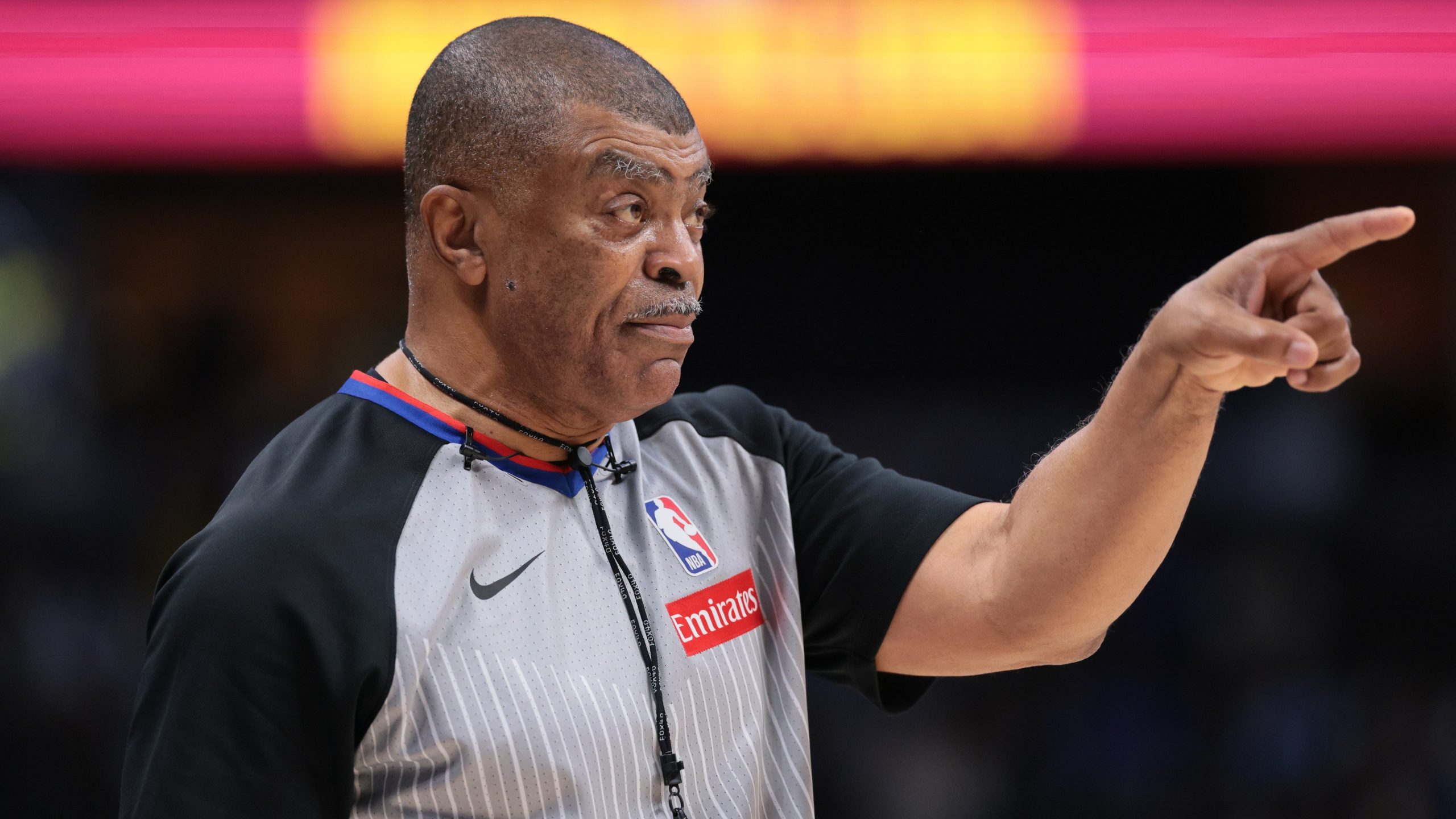
    A refereeing crew selected to match the level of the event also joined the two-day tournament.

    And then, during the exciting but still very much university-level games of the opening day, those who watched carefully — and understood what was happening — received a lesson.

    For me personally, it was a particularly thought-provoking one.

    It was a lesson in morality, respect and sporting etiquette.

    One day, in a sports pedagogy class, I will probably present these events objectively and allow everyone to decide for themselves which side they support.

    But at this moment, I cannot simply ignore what happened.

    Something about it continues to bother me.

    It raises a much broader question:

    What is this game really about, and where can we make mistakes that we later have to answer for to our own conscience?

    Our emotions and intuitions are never simple.

    They are influenced by prejudices, previous experiences and personal history.

    So I will describe what happened.

    This is, of course, my perspective.

    But I believe the problem itself is worth discussing honestly.

    What Happened?

    The incident occurred during the men’s game between DEAC and Szeged.

    The atmosphere was competitive but friendly.

    After the final whistle, the lead referee refused to shake the Debrecen coach’s hand because of a remark made toward one of his colleagues late in the game.

    We had described a missed call as:

    “Pathetic.”

    The remark referred to the fact that the official had failed to notice what had happened in the particular situation.

    The lead referee took offense.

    He also chose to stand alongside his colleague over what we believed to be an obvious mistake.

    He had every right to do so.

    But the situation became more interesting because during the game he repeatedly emphasized the difference between the level from which he came and the level at which we were playing.

    Apparently, some of the things that were called at our level would not necessarily be called where he normally officiated.

    For example, travelling violations might not always be interpreted in exactly the same way.

    Very well.

    Let that be the case.

    But then another question arises.

    If a coach believes that referees have acted unfairly toward his players, should he also refuse to close the game with the traditional handshake?

    Because that was the lesson being demonstrated to us.

    That was the example presented in the name of protecting the culture and dignity of referees.

    What Does the Handshake Mean?

    The post-game handshake is not supposed to mean:

    I agreed with every decision you made.

    It does not mean:

    You were perfect.

    And it certainly does not mean that coaches and referees suddenly share the same interpretation of everything that happened during the previous forty minutes.

    The handshake means that the game is over.

    It means that competition has ended and mutual respect remains.

    That is part of fair play.

    Coaches are expected to accept criticism.

    Players are expected to accept criticism.

    We are disciplined when our behavior crosses certain limits.

    Sometimes that discipline is formal.

    Sometimes the sport itself teaches us the lesson.

    And sometimes we simply have to look at ourselves critically if we genuinely want to improve.

    Referees should not be excluded from that principle.

    Respect Works Both Ways

    We are fortunate that many referees remember where they started.

    They do not become overwhelmed by their own authority.

    They respect the game with the same humility that coaches and players are expected to show.

    Some are even capable of self-criticism.

    That is important.

    We have also seen coaches who have refused to thank officials after games.

    We know these examples exist.

    Sometimes we have heard about them.

    Sometimes we have witnessed them ourselves.

    I do not consider that behavior acceptable.

    Perhaps referees are justified when they describe such coaches as disrespectful.

    But respect cannot function in only one direction.

    If we demand sporting behavior from coaches, we should also expect it from officials.

    If the handshake is part of the culture of the game, it should remain part of that culture even after disagreement, criticism or conflict.

    Otherwise, we are teaching exactly the opposite lesson.

    Authority Is Not the Same as Moral Superiority

    One of the dangers of sport is that authority can easily be confused with moral superiority.

    A referee has authority during a game.

    A coach has authority over a team.

    But neither role automatically makes the person occupying it morally superior to everyone else.

    The game belongs to all of us.

    Players.

    Coaches.

    Officials.

    Spectators.

    And everyone who gives time, energy and years of work to basketball.

    People operating at different levels of the sport may possess different experience, status or opportunities.

    But professional knowledge is also built through decades of work, mistakes, study and sacrifice.

    That deserves mutual respect as well.

    The Real Lesson

    Perhaps the official wanted to demonstrate how people at the highest level respond to an insult.

    If that was the lesson, I am afraid I interpreted it differently.

    In my view, refusing the final handshake did not solve the conflict.

    It simply created another one.

    And that is precisely why the situation is worth thinking about.

    What do we teach through our reactions?

    What values do we reinforce?

    Do we make the game better?

    Do we help the people involved learn from the situation?

    Or do we simply prove that we have the power to respond?

    There is a difference.

    Fair Play After the Final Whistle

    Basketball is full of emotional situations.

    Coaches make mistakes.

    Players make mistakes.

    Referees make mistakes.

    There will be arguments.

    There will be frustration.

    There will be moments when someone says something they should perhaps have expressed differently.

    But the final whistle gives everyone an opportunity to close the competition.

    The handshake is one of the simplest expressions of that.

    You do not have to agree.

    You do not have to like what happened.

    You do not even have to change your opinion.

    But you can still show respect.

    That, to me, is part of sport.

    And perhaps this particular refereeing lesson ultimately reminded me of something valuable:

    authority should never replace humility.

    I am glad that I still have a conscience that forces me to think about these things.

    And I am also glad that I still have the right to form an opinion about what I see.

  • Stereotypes in Coaching Decision-Making

    Stereotypes in Coaching Decision-Making

    A successful, confident and media-visible coach may easily be perceived as more competent and less fallible than others.

    As a result, obvious mistakes can become more difficult to recognize.

    This is known as the halo effect.

    Understanding Coaching Decisions

    To understand coaching decisions and choices, we need a specific vocabulary.

    Decision-making is affected by systematic errors and biases that tend to appear repeatedly under particular circumstances.

    Mental processes continuously operate in our minds without attracting our attention.

    They create impressions, intuitions and ultimately decisions.

    By their nature, intuition can be biased.

    Yet we often trust these intuitive judgments because they feel correct and convincing.

    An outside observer may sometimes recognize our mistakes more easily than we do ourselves.

    This is one reason why assistant coaches and other members of the coaching staff can play such an important role.

    When responsibilities and decision-making authority are appropriately distributed, colleagues can help the head coach make more rational decisions both during immediate game situations and later during evaluation.

    Are Coaches Good Intuitive Statisticians?

    Are basketball coaches good intuitive decision-makers?

    Are the statistical indicators commonly used in game analysis sufficiently reliable?

    Do they provide enough information to establish meaningful patterns?

    Probably not always.

    This also suggests that coaches may not be particularly good intuitive statisticians.

    Coaches constantly search for immediate answers to problems that occur during games.

    Observations suggest that significant differences exist in how coaches interpret the same situations and in what first comes to mind when they encounter them.

    Naturally, certain impressions and intuitive responses are shared by many coaches.

    For example, when a player receives a second personal foul in the first quarter, many coaches will immediately consider substituting that player.

    There are therefore recognizable similarities in coaching behavior.

    However, decisions should not always be based exclusively on the assumption that similar situations require similar solutions.

    That approach can become a rule of thumb — a simplified heuristic.

    Reliance on such shortcuts can produce bias and systematic error.

    The Availability Heuristic

    Many decisions are made by responding to a problem with the first solution that comes to mind.

    A strategy based on how quickly a relevant memory or example can be retrieved is known as the availability heuristic.

    Judgmental heuristics can also create bias.

    Imagine asking:

    Who is currently the most successful coach in sport?

    There is a good chance that many people will mention the same familiar names.

    Media exposure makes these individuals highly available in our memory.

    We know them.

    They are the first people who come to mind.

    But if we were asked to define exactly which characteristics make them the best coaches, we might suddenly find the question far more difficult.

    This is another example of intuitive bias — even if the initial judgment may contain some truth.

    Intuition, Prediction and Basketball Trends

    This leads toward an important central question:

    What role can intuitive bias play in anticipation, prediction and the identification of sporting principles and trends?

    In an earlier article, I discussed the above-average intuition of exploratory coaches — those who constantly search for new solutions.

    It would be interesting to compare the biases affecting their judgments with those affecting more conservative coaches who prefer lower-risk decisions.

    In my view, bias probably exists in both groups.

    However, these decisions should not automatically be explained only by heightened emotional states.

    Heuristics may offer a more useful framework for identifying the underlying relationships.

    Why We Need to Examine the Coach’s Toolbox

    The tools used by coaches require closer analysis because we are naturally inclined to explain problems through the causes that come most quickly to mind.

    Frequently discussed topics occupy our thinking.

    As a consequence, other important problems may receive insufficient attention.

    An important starting point is the generally accepted principle that:

    the human mind is vulnerable to systematic error.

    Alongside chance, this may have substantial importance when attempting to explain scientifically why coaches differ from one another.

    Several interesting research questions follow.

    How do coaches react under uncertainty?

    What decisions do they make?

    How do they weigh different alternatives?

    Do intuitive decisions correspond with logic?

    And if not, how large is the gap between rational judgment and intuitive judgment?

    Heuristics and Expert Intuition

    Daniel Kahneman argued that judgmental heuristics can be extremely useful, but they can also produce serious and systematic errors.

    Accurate professional intuition, however, can often be explained more effectively by extensive experience than by heuristic shortcuts alone.

    This distinction is important for studying basketball coaches.

    Skills developed through experience and heuristic processes can therefore be considered alternative sources of intuitive decisions and choices.

    End-of-Game Decisions

    End-game situations in basketball create a particularly demanding group of tactical problems.

    The outcome of these situations can often depend heavily on expert intuition.

    Several pieces of information may have to be processed almost simultaneously:

    • the score,
    • the remaining time,
    • the flow and tendencies of the game,
    • the players currently on the court,
    • their physical and psychological condition,
    • the opponent’s lineup,
    • and the known tendencies of the opposing coach.

    Together, these elements may allow an experienced coach to recognize a tactical opportunity almost instantly.

    The coach then has to choose a solution that the players on the court are realistically capable of executing.

    Although this can appear almost magical, expert intuition is not magic.

    We experience examples of it regularly.

    From a player’s body language, an experienced coach may recognize that a player who is bent over and breathing heavily needs to be substituted.

    A hesitant ball handler may become an obvious trapping target.

    A poor free-throw shooter may become the player whom the defense deliberately chooses to foul.

    These responses can appear immediate.

    But they are often based on accumulated experience.

    Intuition as Recognition

    Excellent coaches interpret available information differently.

    According to Herbert Simon’s concept of expertise, an expert recognizes a situation, retrieves relevant information from memory and identifies an appropriate response.

    From this perspective:

    intuition is recognition.

    Effective intuition develops when an expert coach recognizes familiar elements within a new situation and responds appropriately.

    The recognition may occur extremely quickly.

    For example, after seeing the opponent’s starting five and combining that information with other impressions, a coach may suddenly decide to modify elements of the previously agreed game plan.

    This is one of the most important characteristics of expert decision-making.

    However, not every intuitive response represents expertise.

    Some intuitive judgments are strongly influenced by emotion.

    These affect heuristics may also play an increasingly important role in explaining coaching decisions.

    Fast and Slow Coaching Decisions

    When a coach encounters a problem, intuitive thinking is activated immediately.

    With sufficient expertise, this may produce a series of rapid and effective decisions.

    However, when the problem becomes more difficult, something else may happen.

    A fast answer may appear that actually solves a different and easier problem rather than the one originally faced.

    This gives intuition another route toward a solution — but it may also produce error.

    Imagine facing an opponent with two extremely large centers.

    The obvious concern may be defensive rebounding.

    One intuitive response could be to increase the tempo, shorten offensive possessions and force those larger players into a game that requires more repeated movement.

    The strategy might become even more effective if combined with full-court defensive pressure.

    The original problem was the opponent’s size and rebounding advantage.

    The response, however, attacks a different characteristic: the ability of those large players to function effectively in a faster and more physically demanding game.

    That may prove to be an excellent solution.

    Or it may simply be an intuitive shortcut.

    The difference is not always immediately obvious.

    When No Immediate Answer Appears

    Sometimes neither an expert solution nor a heuristic response immediately comes to mind.

    At that point, the coach has to make a greater cognitive effort.

    Decision-making becomes slower.

    More information must be deliberately examined and evaluated.

    We can therefore distinguish two broad forms of decision-making.

    Fast Decisions

    Fast decisions include both:

    • expert intuitive responses,
    • and heuristic responses.

    Perception and memory produce largely automatic mental operations.

    The answer appears quickly.

    Slow Decisions

    Slow decisions require more complex cognitive effort.

    The coach must consciously evaluate:

    • the available information,
    • possible consequences,
    • tactical alternatives,
    • risks,
    • and the probability of success.

    This process requires more time and deliberate attention.

    Expert Intuition or Cognitive Bias?

    The central challenge is that both expertise and bias can produce decisions that feel intuitive.

    The coach experiences both as an immediate sense of what should be done.

    The difference lies in where that intuition comes from.

    Expert intuition develops through extensive experience and repeated exposure to recognizable situations.

    Heuristic intuition relies more heavily on simplified mental shortcuts.

    Emotional intuition may be influenced by feelings and immediate impressions.

    All three can contribute to coaching decisions.

    Understanding which mechanism is operating at a particular moment may help explain why some coaches repeatedly make more effective decisions than others.

    The Role of the Coaching Staff

    This also reinforces the importance of a coaching staff.

    A coach working alone may become trapped within his own interpretation of a situation.

    Assistant coaches can provide alternative observations and challenge the first answer that comes to mind.

    Different responsibilities, perspectives and areas of expertise may reduce the effects of individual bias.

    The objective is not to eliminate intuition.

    That would be neither possible nor desirable.

    Instead, the objective should be to distinguish more effectively between:

    • intuition based on expertise,
    • intuition based on heuristics,
    • and intuition influenced primarily by emotion.

    Conclusion

    Basketball requires countless decisions under uncertainty.

    Many of them have to be made within seconds.

    Experienced coaches develop the ability to recognize familiar patterns, retrieve relevant knowledge and respond extremely quickly.

    This is the strength of expert intuition.

    At the same time, the human mind is naturally vulnerable to systematic errors.

    Familiarity, media exposure, emotional impressions and easily accessible memories can all influence judgment.

    The same mental mechanisms that allow us to make rapid decisions may therefore also lead us toward predictable mistakes.

    For coaches, the challenge is not to abandon intuition.

    The challenge is to understand it.

    We need to recognize when an immediate decision is supported by genuine expertise and when it may simply reflect a familiar stereotype, an available memory or an emotional response.

    When intuition provides no reliable answer, slower and more deliberate thinking becomes necessary.

    The better coaches understand these processes, the more effectively they can evaluate their own decisions — and the more rationally they can use one of the most powerful tools available to them:

    experience.