
The strongest men’s and women’s university teams arrived for the MEFOB Final, the first championship played under the new competition format.
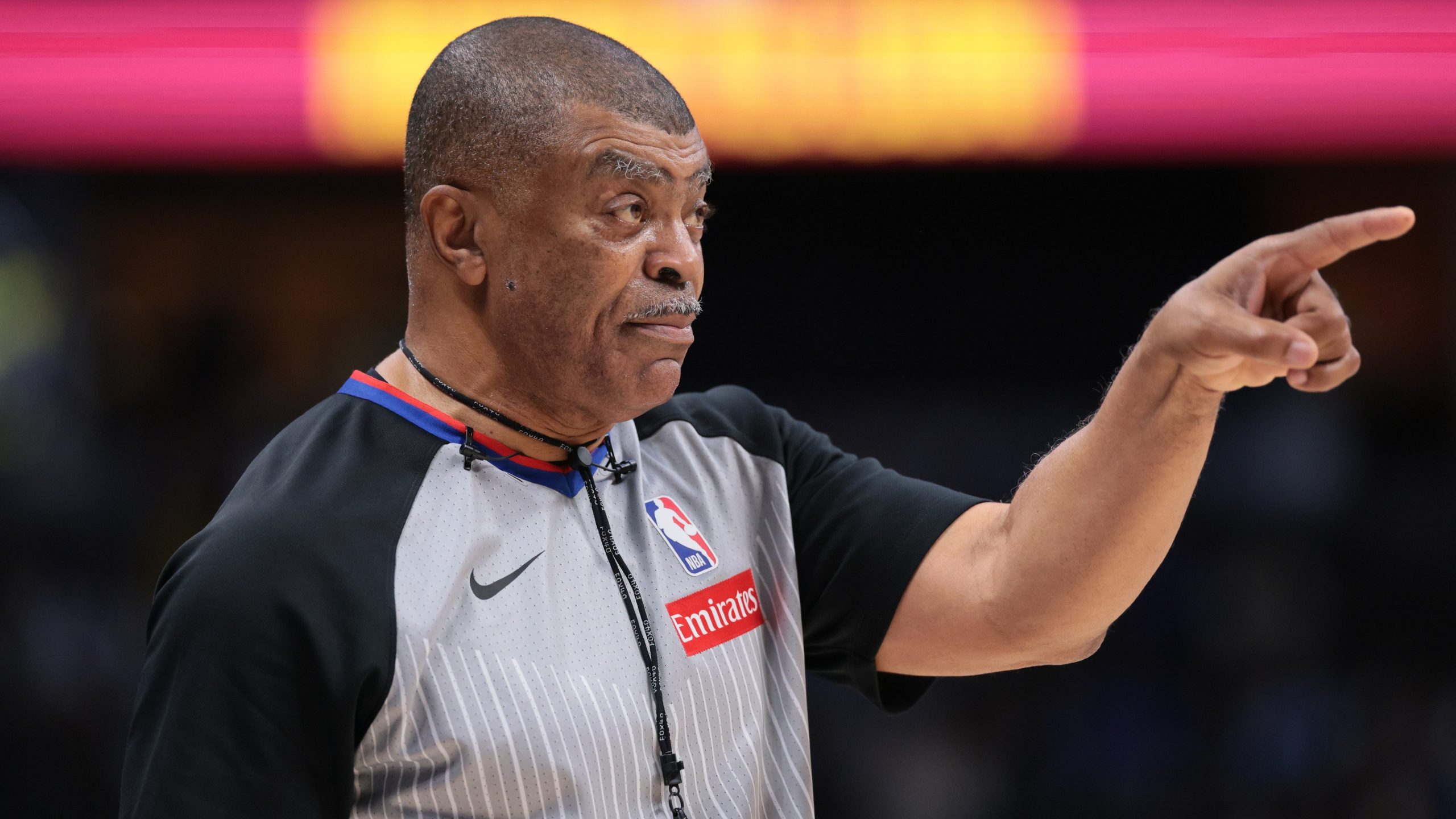
A refereeing crew selected to match the level of the event also joined the two-day tournament.
And then, during the exciting but still very much university-level games of the opening day, those who watched carefully — and understood what was happening — received a lesson.
For me personally, it was a particularly thought-provoking one.
It was a lesson in morality, respect and sporting etiquette.
One day, in a sports pedagogy class, I will probably present these events objectively and allow everyone to decide for themselves which side they support.
But at this moment, I cannot simply ignore what happened.
Something about it continues to bother me.
It raises a much broader question:
What is this game really about, and where can we make mistakes that we later have to answer for to our own conscience?
Our emotions and intuitions are never simple.
They are influenced by prejudices, previous experiences and personal history.
So I will describe what happened.
This is, of course, my perspective.
But I believe the problem itself is worth discussing honestly.
What Happened?
The incident occurred during the men’s game between DEAC and Szeged.
The atmosphere was competitive but friendly.
After the final whistle, the lead referee refused to shake the Debrecen coach’s hand because of a remark made toward one of his colleagues late in the game.
We had described a missed call as:
“Pathetic.”
The remark referred to the fact that the official had failed to notice what had happened in the particular situation.
The lead referee took offense.
He also chose to stand alongside his colleague over what we believed to be an obvious mistake.
He had every right to do so.
But the situation became more interesting because during the game he repeatedly emphasized the difference between the level from which he came and the level at which we were playing.
Apparently, some of the things that were called at our level would not necessarily be called where he normally officiated.
For example, travelling violations might not always be interpreted in exactly the same way.
Very well.
Let that be the case.
But then another question arises.
If a coach believes that referees have acted unfairly toward his players, should he also refuse to close the game with the traditional handshake?
Because that was the lesson being demonstrated to us.
That was the example presented in the name of protecting the culture and dignity of referees.
What Does the Handshake Mean?
The post-game handshake is not supposed to mean:
I agreed with every decision you made.
It does not mean:
You were perfect.
And it certainly does not mean that coaches and referees suddenly share the same interpretation of everything that happened during the previous forty minutes.
The handshake means that the game is over.
It means that competition has ended and mutual respect remains.
That is part of fair play.
Coaches are expected to accept criticism.
Players are expected to accept criticism.
We are disciplined when our behavior crosses certain limits.
Sometimes that discipline is formal.
Sometimes the sport itself teaches us the lesson.
And sometimes we simply have to look at ourselves critically if we genuinely want to improve.
Referees should not be excluded from that principle.
Respect Works Both Ways
We are fortunate that many referees remember where they started.
They do not become overwhelmed by their own authority.
They respect the game with the same humility that coaches and players are expected to show.
Some are even capable of self-criticism.
That is important.
We have also seen coaches who have refused to thank officials after games.
We know these examples exist.
Sometimes we have heard about them.
Sometimes we have witnessed them ourselves.
I do not consider that behavior acceptable.
Perhaps referees are justified when they describe such coaches as disrespectful.
But respect cannot function in only one direction.
If we demand sporting behavior from coaches, we should also expect it from officials.
If the handshake is part of the culture of the game, it should remain part of that culture even after disagreement, criticism or conflict.
Otherwise, we are teaching exactly the opposite lesson.
Authority Is Not the Same as Moral Superiority
One of the dangers of sport is that authority can easily be confused with moral superiority.
A referee has authority during a game.
A coach has authority over a team.
But neither role automatically makes the person occupying it morally superior to everyone else.
The game belongs to all of us.
Players.
Coaches.
Officials.
Spectators.
And everyone who gives time, energy and years of work to basketball.
People operating at different levels of the sport may possess different experience, status or opportunities.
But professional knowledge is also built through decades of work, mistakes, study and sacrifice.
That deserves mutual respect as well.
The Real Lesson
Perhaps the official wanted to demonstrate how people at the highest level respond to an insult.
If that was the lesson, I am afraid I interpreted it differently.
In my view, refusing the final handshake did not solve the conflict.
It simply created another one.
And that is precisely why the situation is worth thinking about.
What do we teach through our reactions?
What values do we reinforce?
Do we make the game better?
Do we help the people involved learn from the situation?
Or do we simply prove that we have the power to respond?
There is a difference.
Fair Play After the Final Whistle
Basketball is full of emotional situations.
Coaches make mistakes.
Players make mistakes.
Referees make mistakes.
There will be arguments.
There will be frustration.
There will be moments when someone says something they should perhaps have expressed differently.
But the final whistle gives everyone an opportunity to close the competition.
The handshake is one of the simplest expressions of that.
You do not have to agree.
You do not have to like what happened.
You do not even have to change your opinion.
But you can still show respect.
That, to me, is part of sport.
And perhaps this particular refereeing lesson ultimately reminded me of something valuable:
authority should never replace humility.
I am glad that I still have a conscience that forces me to think about these things.
And I am also glad that I still have the right to form an opinion about what I see.