Szerző: BasketClinic

  • How Can You Make It Through the Entire Season?

    How Can You Make It Through the Entire Season?

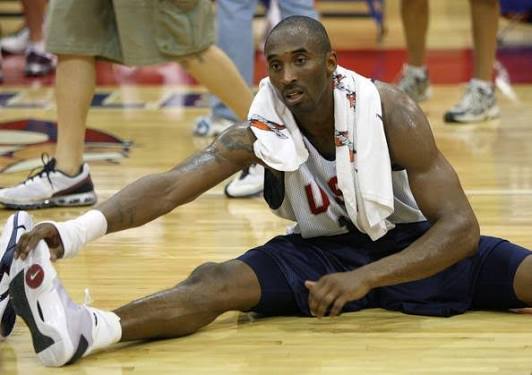
    Warm Up — and Take Recovery Seriously

    Training for around two hours every day is serious physical work.

    Basketball places repeated stress on:

    • muscles,
    • tendons,
    • joints,
    • and the nervous system.

    Simply showing up for practice is not enough.

    A player must also prepare properly for the work.

    If you take training seriously, then you should take preparation and recovery seriously as well.

    Prepare Your Body for Practice

    A gradual warm-up helps prepare the body for higher-intensity basketball activity.

    The objective is to move progressively from low-intensity movement toward the speed and intensity required during practice or competition.

    A good warm-up can help prepare:

    • the muscles,
    • the nervous system,
    • coordination,
    • movement quality,
    • and concentration.

    Instead of beginning practice at full intensity immediately, give the body time to become ready for the demands that follow.

    Mobility and Stretching

    Mobility and stretching can also form part of an athlete’s preparation.

    They should be selected according to:

    • the player,
    • the type of training,
    • physical limitations,
    • and the demands of the sport.

    Basketball requires repeated acceleration, stopping, jumping, landing and changing direction.

    Good movement preparation should therefore help players feel ready to perform these actions efficiently.

    Do Not Leave Recovery Until Tomorrow

    The end of practice matters too.

    Do not immediately rush out of the gym the moment training finishes.

    A short cool-down can create a useful transition between hard exercise and recovery.

    This may include:

    • light movement,
    • mobility work,
    • appropriate stretching,
    • hydration,
    • and beginning the recovery process.

    The purpose is simple:

    help the body move from training back toward recovery.

    Staying Available Is Part of Performance

    Players often focus on becoming:

    • faster,
    • stronger,
    • more skilled,
    • or more explosive.

    But there is another important ability:

    availability.

    A player cannot improve, compete or help the team while constantly missing training and games.

    For that reason, good preparation habits should become part of everyday basketball life.

    Warm up properly.

    Train seriously.

    Recover properly.

    Take care of your body.

    Because ultimately, only the player who can get onto the court — and stay on the court — has the opportunity to improve and compete.

  • Basketball Players Need Strength Training Too

    Basketball Players Need Strength Training Too

    Try it — and let us know what results you achieve.

    Strength Training for Basketball Players

    We strongly believe that basketball players need strength training.

    Work in the weight room can have a direct impact on performance on the basketball court.

    As players become stronger, they may be better prepared to:

    • attack the basket aggressively,
    • compete for rebounds,
    • absorb physical contact,
    • and defend with greater physicality.

    The purpose of this basketball-specific strength program is to help players become stronger while maintaining mobility and flexibility.

    The program was designed as a demanding, full-body training routine.

    The work done in the weight room should ultimately have one purpose:

    to help the player perform better on the basketball court.

    Basic Principles of Weight Training

    1. Train two or three times per week, preferably on non-consecutive days.
    2. Perform every repetition with correct technique.
    3. Once correct technique has been learned, progressively use greater resistance as appropriate.
    4. Rest approximately one minute between sets.
    5. Try to increase the resistance progressively as training experience develops.
    6. Keep a training diary so that progress can be monitored and the work remains structured.

    Three-Day Full-Body Program

    A possible weekly schedule is:

    Monday – Wednesday – Friday

    or:

    Tuesday – Thursday – Saturday

    The original program contains two different exercise routines. These can be alternated within the weekly schedule.

    Workout A

    1. Abdominal Exercises

    Examples:

    • oblique sit-ups,
    • hanging leg raises.

    The objective is to strengthen the trunk and provide a stable base for basketball movement.

    2. Bench Press

    10 – 8 – 6 – 4 repetitions

    Use controlled technique throughout the movement.

    3. Lat Pulldown

    3 × 10

    Develop the muscles of the upper back.

    4. Biceps Exercise

    3 × 10

    5. Triceps Cable Pushdown

    3 sets to the prescribed limit in the original program

    6. Squat / Leg Press

    12 – 10 – 8 – 6 repetitions

    Lower-body strength is particularly important for:

    • jumping,
    • rebounding,
    • acceleration,
    • defensive movement,
    • and playing through contact.

    7. Supported Leg Raises

    10 – 8 – 6 repetitions

    8. Calf Raises

    3 × 30

    9. Wrist Curls

    3 × 25

    Grip and forearm strength can also contribute to stronger ball control and physical play.

    Workout B

    1. Abdominal Exercises

    Examples:

    • sit-up with leg raise,
    • side sit-up,
    • abdominal crunch.

    2. Decline Bench Press

    10 – 8 – 6 repetitions

    3. Seated Row

    3 × 10

    4. Lateral Raises

    10 – 8 – 6 repetitions

    5. Dips

    3 × 10

    6. Dumbbell Biceps Exercise

    3 × 10

    7. Squat / Leg Press

    12 – 10 – 8 – 6 repetitions

    8. Behind-the-Neck Pulldown

    10 – 8 – 6 repetitions

    This exercise appears in the original program and reflects the training practices of the period.

    9. Calf Raises

    3 × 30

    Strength Should Serve Basketball

    Strength training should not be separated from the demands of the sport.

    The objective is not simply to become bigger or to lift heavier weights.

    For a basketball player, strength should support actions such as:

    • finishing through contact,
    • holding defensive position,
    • boxing out,
    • rebounding,
    • accelerating,
    • changing direction,
    • and competing physically throughout the game.

    The strongest player in the weight room is not automatically the best basketball player.

    The real value of strength appears when it can be transferred to the court.

    Technique Comes First

    One principle from the program remains especially important:

    Every repetition should be performed with correct technique.

    Increasing resistance has value only when the movement can still be executed properly.

    Progress should therefore be gradual.

    Training should be recorded.

    Performance should be evaluated.

    And the work should always remain connected to the athlete’s basketball development.

    Strength is not the goal by itself.

    Better basketball performance is the goal.

  • Jump Higher

    Jump Higher

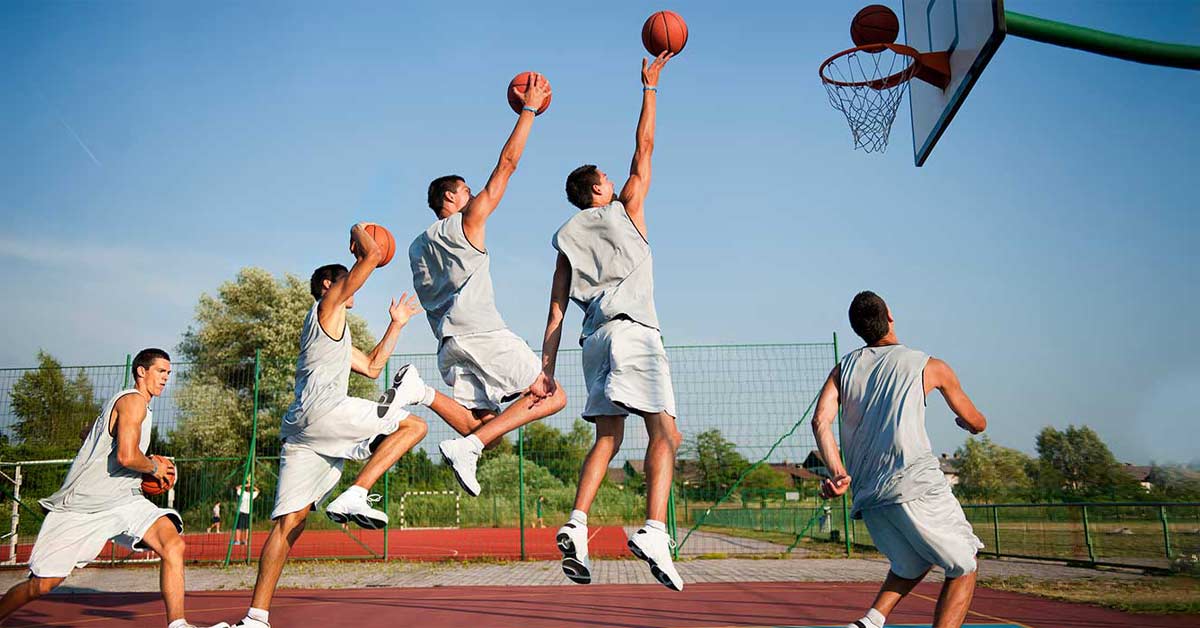
    Everyone wants to jump higher.

    If you are not satisfied with your explosiveness and vertical jump, this program offers a progressive series of exercises that can be adapted from a basic level toward more demanding training.

    The original program is organized into three levels:

    • Basic
    • Intermediate
    • Hard

    The workload gradually increases as the athlete becomes more prepared.

    Training Progression

    The program uses several training days during the week, with recovery days between the main jumping sessions.

    The general progression is:

    Basic Phase

    Begin with lower training frequency and basic jumping exercises.

    The purpose is to become familiar with the movements and build the physical foundation required for more demanding work.

    Intermediate Phase

    Training frequency and exercise difficulty gradually increase.

    The athlete performs more sets and begins using more demanding explosive movements.

    Hard Phase

    The final phase contains the highest training load.

    The emphasis is on maximum effort, explosive execution and more advanced jumping tasks.

    A test can be used at the end of the program to evaluate progress.

    Exercises

    1. Tuck Jumps Without Arm Swing

    Jump vertically without using the arms for momentum.

    Bring the knees toward the chest during the jump.

    Intermediate

    • 1 set
    • 10 repetitions

    Hard

    • 2 sets
    • 10 repetitions

    The emphasis should be on explosive take-off and controlled landing.

    2. Jumps Over an Obstacle

    Jump back and forth over an object approximately 20–60 cm high.

    Basic

    • 1 set
    • 15 repetitions

    Intermediate

    • 2 sets
    • 15 repetitions

    Hard

    • 3 sets
    • 15 repetitions

    The height of the obstacle should match the athlete’s current ability.

    3. Alternating Jumps from a Squat-Support Position

    Perform alternating explosive jumps from a low position.

    Intermediate

    • 1 set
    • 30 seconds

    Hard

    • 1 set
    • 30 seconds

    Maintain control while trying to perform the movement dynamically.

    4. Two-Leg Jumps with Heel Lift

    Jump from both legs while actively using the lower leg.

    Land with the knees flexed.

    Basic

    • 2 sets
    • 15 repetitions

    The landing position is important.

    Absorb the impact rather than landing with stiff legs.

    5. Alternating-Leg Jumps

    Perform continuous alternating-leg jumps.

    Aim for maximum effort.

    Basic

    • 1 set
    • 30 seconds

    Intermediate

    • 1 set
    • 30 seconds

    Hard

    • 2 sets
    • 30 seconds

    The goal is to remain explosive throughout the work period.

    6. Maximum One-Leg Jumps

    Jump as high as possible from one leg.

    Use the opposite knee and the arms aggressively to assist the movement.

    Basic

    • 1 set
    • 30 seconds

    Intermediate

    • 2 sets
    • 30 seconds

    Hard

    • 2 sets
    • 30 seconds

    Both legs should receive appropriate training.

    7. Touch the Rim

    Jump and try to touch the basketball rim — or another appropriately challenging target.

    Basic

    • 2 sets
    • 10 repetitions

    Intermediate

    • 1 set
    • 10 repetitions

    The objective is to make every repetition an explosive attempt rather than simply completing the required number of jumps.

    8. Ankle Jumps

    Perform powerful repeated jumps primarily through the ankles.

    Basic

    • 3 sets
    • 20 repetitions

    The movement should be quick and elastic.

    9. Progressive Running

    Accelerate gradually from approximately 75% effort to 100%, then reduce the intensity again.

    Basic

    • 1 set × 5 repetitions

    Intermediate

    • 2 sets × 5 repetitions

    Hard

    • 3 sets × 5 repetitions

    The objective is controlled acceleration rather than immediately sprinting at maximum speed.

    10. Backward Medicine-Ball Throw

    Use a 3 kg medicine ball.

    Throw the ball backward explosively.

    Basic

    • 1 set × 10 repetitions

    Intermediate

    • 2 sets × 10 repetitions

    Hard

    • 3 sets × 10 repetitions

    This exercise develops explosive force through the lower body, trunk and upper body.

    The Main Principle

    Jumping ability is not improved by simply performing as many jumps as possible.

    The quality of each repetition matters.

    The athlete should aim for:

    • explosive take-off,
    • controlled landing,
    • full effort,
    • proper recovery,
    • and gradual progression from easier to more demanding work.

    The purpose of the program is not simply to become tired.

    The purpose is to become more explosive.

    Train progressively, execute every jump with purpose, and use testing to see whether the work is actually producing improvement.

  • Practice Planning

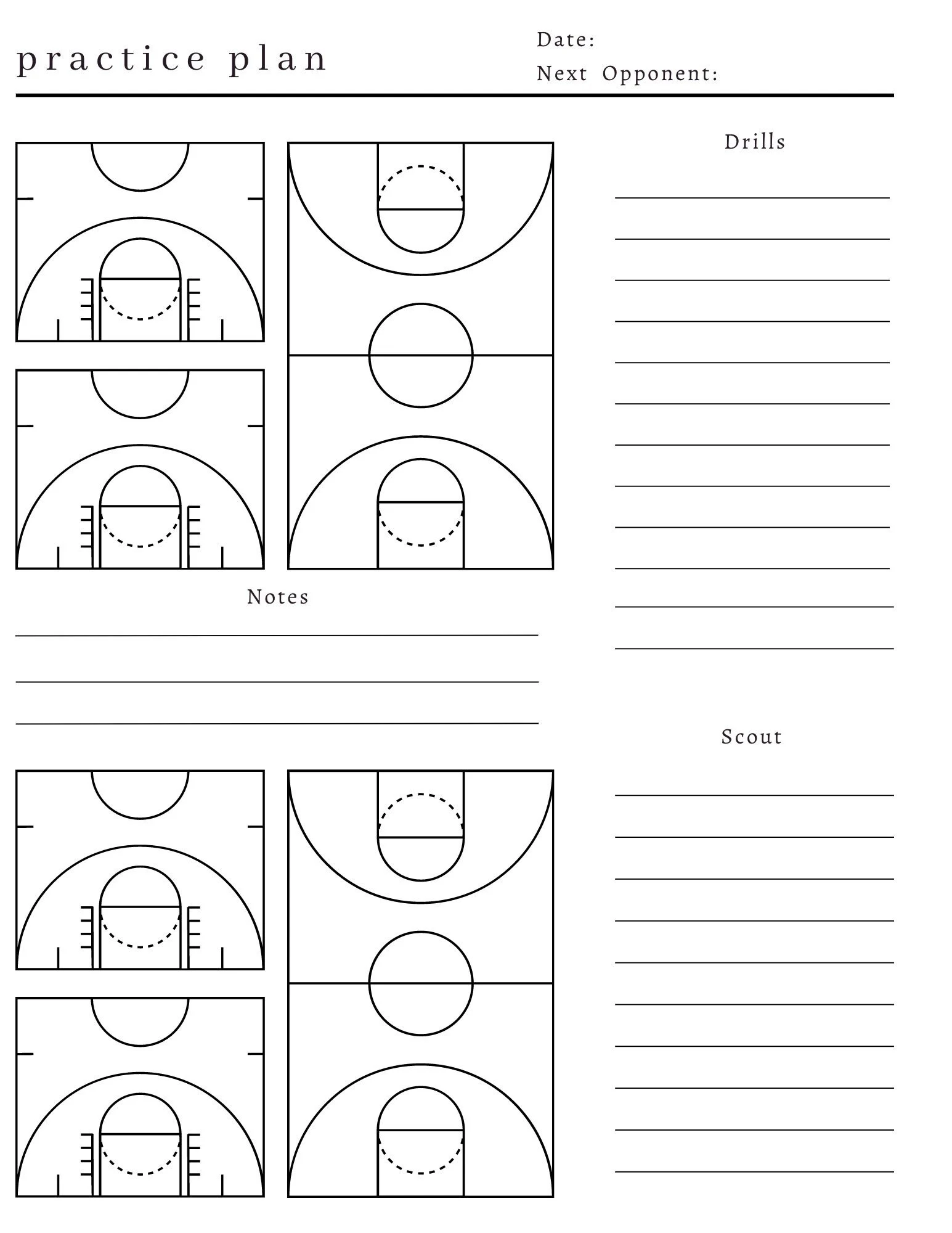
    Practice Planning

    Organizing Practice

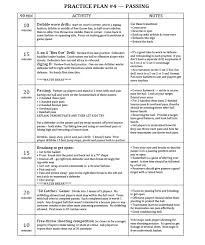
    One of the most important responsibilities of a coach is organizing and planning practice.

    The method used to structure training has a major influence on the successful development of the team.

    A good plan gives direction to the work.

    At the same time, it must remain flexible enough to respond to what actually happens on the court.

    From the Curriculum to the Daily Practice Plan

    A useful planning process can be built in three stages:

    1. Develop the overall curriculum or long-term training plan.
    2. Use that plan to create the weekly practice schedule.
    3. From the weekly schedule, prepare the individual daily practice plans.

    The daily plan should therefore never exist in isolation.

    Each practice should be part of a larger developmental process.

    Developing the Daily Plan

    1. Calculate the Number of Practices Available

    First, determine how many practices are available before the first game.

    Every planned day without practice should also be identified, together with the reason for the break.

    This gives the coach a realistic picture of the time available.

    2. Calculate the Total Training Time

    Multiply the total number of practices by the expected duration of each session.

    For example, if practices last 1.5 hours, the total number of practices multiplied by 90 minutes gives the total amount of available training time.

    This step is important because coaches often overestimate how much can realistically be taught before competition begins.

    Time is limited.

    Planning must therefore involve priorities.

    3. Divide the Available Time Among the Main Phases

    The total training time should then be distributed among the different phases of the curriculum.

    This provides an approximate amount of time available for each area.

    Not every topic deserves the same amount of attention.

    Some elements will be more important than others.

    For that reason, time may sometimes need to be taken from one phase and reassigned to another.

    The important point is that these decisions should be deliberate.

    Plan the Period Leading to the Next Game

    Use a planning sheet covering the period between the first practice and the next competition.

    Mark all days without practice.

    At the top of each daily plan, write the main objective of the session.

    This gives the practice a clear identity.

    Every drill and activity should then contribute to that objective.

    Connect Time and Training Content

    The available time and the planned training material must fit together.

    Each practice should build upon the previous one.

    The next session should continue the developmental process.

    This progression should continue until the first game.

    Practice planning should therefore not consist of a collection of unrelated drills.

    It should resemble a sequence.

    Each day has a purpose.

    Each day prepares the next one.

    Follow the Plan — but Record Every Change

    Once the plan has been created, it should be followed.

    However, any changes should be recorded.

    After each practice — but before the following session — the coach should review what happened and make any necessary adjustments to the next practice plan.

    This process should continue until competition begins.

    The coach therefore works in a continuous cycle:

    plan → practice → evaluate → adjust → practice again

    The Plan Is a Guide, Not a Law

    Changes should be expected.

    A training program should never become excessively rigid.

    What happens on the court must remain the most important source of information.

    The practice plan is a guide.

    It is not a law.

    But even when the coach changes the route, the final destination must remain clear.

    Every modification should answer the question:

    Does this change help us move toward our objective?

    Flexibility without direction becomes improvisation.

    Structure without flexibility becomes rigidity.

    Effective coaching requires both.

    Do Not Plan the First Practice After the Game in Advance

    The first practice following the opening game should not be completely predetermined.

    The game itself should decide what needs greater emphasis next.

    The coach cannot know that before evaluating the performance.

    Competition provides information that practice cannot always provide.

    For example, the game may reveal that the team needs considerably more work against full-court pressure.

    Or perhaps defensive transition becomes the priority.

    Maybe rebounding, spacing or decision-making becomes the most urgent issue.

    The next practice should respond to what the game has shown.

    Planning Is a Continuous Process

    Good practice planning is not simply writing exercises on a sheet of paper.

    It means connecting:

    • long-term objectives,
    • weekly priorities,
    • daily practice goals,
    • available training time,
    • competition,
    • evaluation,
    • and continuous adjustment.

    The coach needs a plan.

    But the coach must also be willing to change it.

    The most effective plan is therefore not necessarily the one that is followed exactly.

    It is the one that consistently keeps the team moving toward the desired goal.

  • Preparing Our Youth Team for the Finals

    Preparing Our Youth Team for the Finals

    For years, I have attended the season-ending tournament for the youngest competitive age groups, traditionally held on the first weekend of June.

    What I have seen there has convinced me that conscious, systematic and well-planned development matters.

    It does more than make our daily work meaningful.

    It does more than help children succeed at one tournament.

    It begins to prepare them for the more serious basketball work that will follow in later years.

    The strongest teams at this tournament are usually already further ahead in their development than the others.

    That is one of the reasons they are more successful.

    At the same time, this is one of the most enjoyable competitions of the year.

    The effort, enthusiasm and emotions of the children create a special experience for players, coaches, parents and spectators alike.

    As the finals approach, coaches should begin answering some important questions.

    The answers will also tell us what we need to practice.

    What Have We Learned So Far?

    Morning Games

    How does the team perform early in the day?

    Are the players physically and mentally ready to compete immediately?

    Do we need to change the warm-up or preparation routine?

    Two Games in Succession

    How do the players respond when they have to play two games within a relatively short period?

    Can they maintain:

    • concentration,
    • effort,
    • defensive intensity,
    • decision-making,
    • and technical quality?

    Playing Against Strong Opponents

    What happens when the opponent is physically, technically or tactically stronger?

    Can our players continue to execute what they have learned?

    Or does the structure of our game disappear under pressure?

    Full-Court Pressure

    Can we play with pressure defense for extended periods?

    Can we also play effectively against pressure?

    Both sides of the problem must be trained.

    Rebounding

    Can we finish defensive possessions with the rebound?

    Can we create second opportunities through offensive rebounding?

    Boxing Out

    Do our players understand that rebounding begins before the ball comes off the rim?

    Boxing out must be taught deliberately.

    What Should a Team Be Able to Do by the Finals?

    The following list can serve as a developmental checklist.

    A strong youth team should increasingly be able to recognize and solve these situations.

    Defensive Transition

    Defend While Outnumbered

    Players must learn how to delay the offense when the defense is temporarily at a numerical disadvantage.

    They need to protect the basket first and buy time for teammates to recover.

    Sprint Back

    Transition defense begins with effort.

    Players must learn to return quickly and organize behind the ball.

    Rebounding

    Players should be able to:

    • locate the ball,
    • make contact,
    • box out,
    • pursue the rebound,
    • secure possession.

    Cutting

    Backdoor Cuts

    Players should recognize opportunities to cut behind an overplaying defender.

    General Cutting

    They need to understand:

    • timing,
    • spacing,
    • change of direction,
    • and when a cut creates an advantage for a teammate.

    Offensive Spacing

    Players should understand how to organize themselves on the floor and maintain useful spacing.

    One-on-One Play

    Every player needs experience attacking and defending 1-on-1.

    Young players must gradually learn:

    • how to create an advantage,
    • how to protect the ball,
    • how to finish,
    • and how to defend without unnecessary fouling.

    Inbound Situations

    Baseline and sideline inbound plays should not be completely unfamiliar situations by the time the team reaches a final tournament.

    Interior One-on-One Play

    Players should experience receiving the ball inside and playing 1-on-1 from the post.

    At this age, this is also part of developing complete basketball players rather than assigning permanent positions too early.

    Free Throws

    Free-throw shooting must be practiced regularly.

    Players should experience shooting free throws:

    • when fresh,
    • when tired,
    • and under competitive pressure.

    Mid-Range Shooting

    Players should gradually develop the ability to finish from different distances rather than relying on only one type of shot.

    Offensive Concepts

    Pressing

    Players should understand the basic principles of applying full-court pressure.

    Playing Without a Dribble

    Can the team create offense without immediately putting the ball on the floor?

    This develops:

    • passing,
    • cutting,
    • spacing,
    • vision,
    • and decision-making.

    One-Dribble Basketball

    Limiting players to one dribble can also be a valuable teaching constraint.

    It forces them to think before using the dribble.

    Controlling the Ball and Tempo

    Players should experience situations in which the objective is not simply to attack as quickly as possible.

    They should also begin learning how to control possession and tempo.

    Isolation

    Players should recognize when a 1-on-1 advantage exists and how the other four players should create space around it.

    Motion Offense

    Young players should learn offense through:

    • movement,
    • passing,
    • cutting,
    • spacing,
    • and reading the defense.

    The goal is not simply to memorize patterns.

    The goal is to learn how to play.

    Drawing Offensive Fouls

    Players should gradually recognize situations in which legal defensive position can create an offensive foul.

    Loose Balls

    A competitive team must react immediately to loose-ball situations.

    These possessions often reveal more about mentality than tactical knowledge.

    Defensive Concepts

    Sagging and Help Position

    Players should understand when and how to move away from their own matchup to protect dangerous areas of the court.

    Half-Court Defense

    The team should be capable of organizing its defense from half court.

    Double-Teams

    Players need to understand:

    • when a double-team is initiated,
    • where it comes from,
    • and how the remaining defenders rotate.

    1+4 Defense

    Special defensive concepts can also be introduced when appropriate, provided players understand the individual defensive principles underneath them.

    Press-Break Offense

    The team should know how to organize itself when facing full-court pressure.

    Players need solutions for:

    • getting open,
    • inbounding safely,
    • creating passing angles,
    • advancing the ball,
    • and attacking once the press is broken.

    Special Situations

    Jump-Ball Situations

    Players should know their responsibilities when possession begins from a jump-ball situation.

    After Free Throws

    What happens after a made or missed free throw?

    Players should know where to go and what their next responsibility is.

    End-of-Game Situations

    Even young players should gradually experience basic late-game situations.

    They need to learn:

    • when to attack,
    • when to protect possession,
    • when to foul,
    • how to manage the clock,
    • and how to remain calm.

    Developing Small-Group Cooperation

    Two- and Three-Player Connections

    Before players can understand complex 5-on-5 basketball, they need to learn how two and three players cooperate.

    This includes:

    • passing and cutting,
    • drive-and-kick situations,
    • help and recovery,
    • screening actions,
    • and basic rotations.

    Small-sided games are one of the most effective environments for teaching these relationships.

    Individual Defensive Skills

    Defending Cuts

    Players must learn how to maintain position and prevent easy cuts toward the basket.

    Defending the Post Entry

    The defense should understand how to make interior passes more difficult.

    Influencing the Ball Handler Toward the Sideline

    Players should learn how defensive positioning can guide the attacker toward less dangerous areas of the court.

    Influencing the Ball Handler Toward the Weak Hand

    When appropriate, defenders can learn to influence an offensive player toward the weaker hand.

    What Does the Champion Know?

    The purpose of such a checklist is not to turn children into miniature professional players.

    Nor should every item be mastered perfectly before the tournament.

    The real question is:

    How far has the team progressed in understanding the game?

    The strongest youth teams are usually not successful because they know the greatest number of set plays.

    They are successful because their players can solve more basketball situations.

    They can:

    • transition,
    • defend,
    • rebound,
    • pass,
    • cut,
    • play 1-on-1,
    • cooperate in small groups,
    • handle pressure,
    • and make increasingly independent decisions.

    That is why preparation for a final tournament should be more than preparation for a few games.

    It should be another stage in the long-term development of the young basketball player.

    The tournament gives us a target.

    But development remains the real objective.

  • Basket Clinic Tips for Planning Practice

    Basket Clinic Tips for Planning Practice

    How to Avoid Wasting Practice Time

    Effective practice planning begins with one simple principle:

    Do not try to accomplish too much in a single practice.

    Trying to cover too many topics usually reduces the quality of the work.

    A lack of planning wastes valuable practice time.

    So does a lack of discipline.

    Good practices require clear organization, clear expectations and efficient use of every available minute.

    Key Principles

    • Do not try to do too much in one practice.
    • Always have a clear practice plan.
    • Maintain practice discipline.
    • Organize drills and transitions efficiently.
    • Make full use of the facilities, time and resources available.
    • Use the knowledge and expertise of the entire coaching staff.

    The objective is simple:

    Every minute of practice should have a purpose.