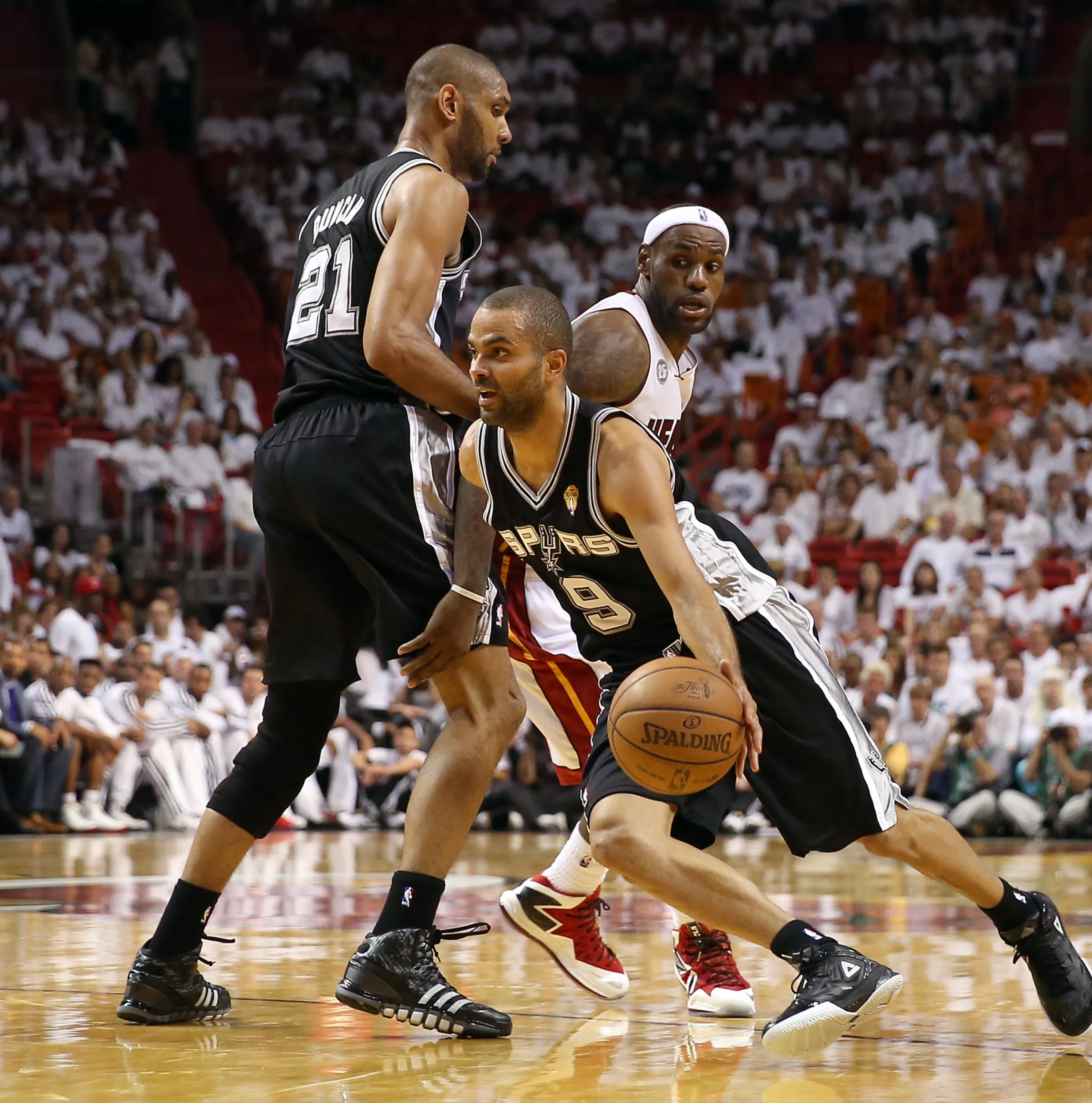
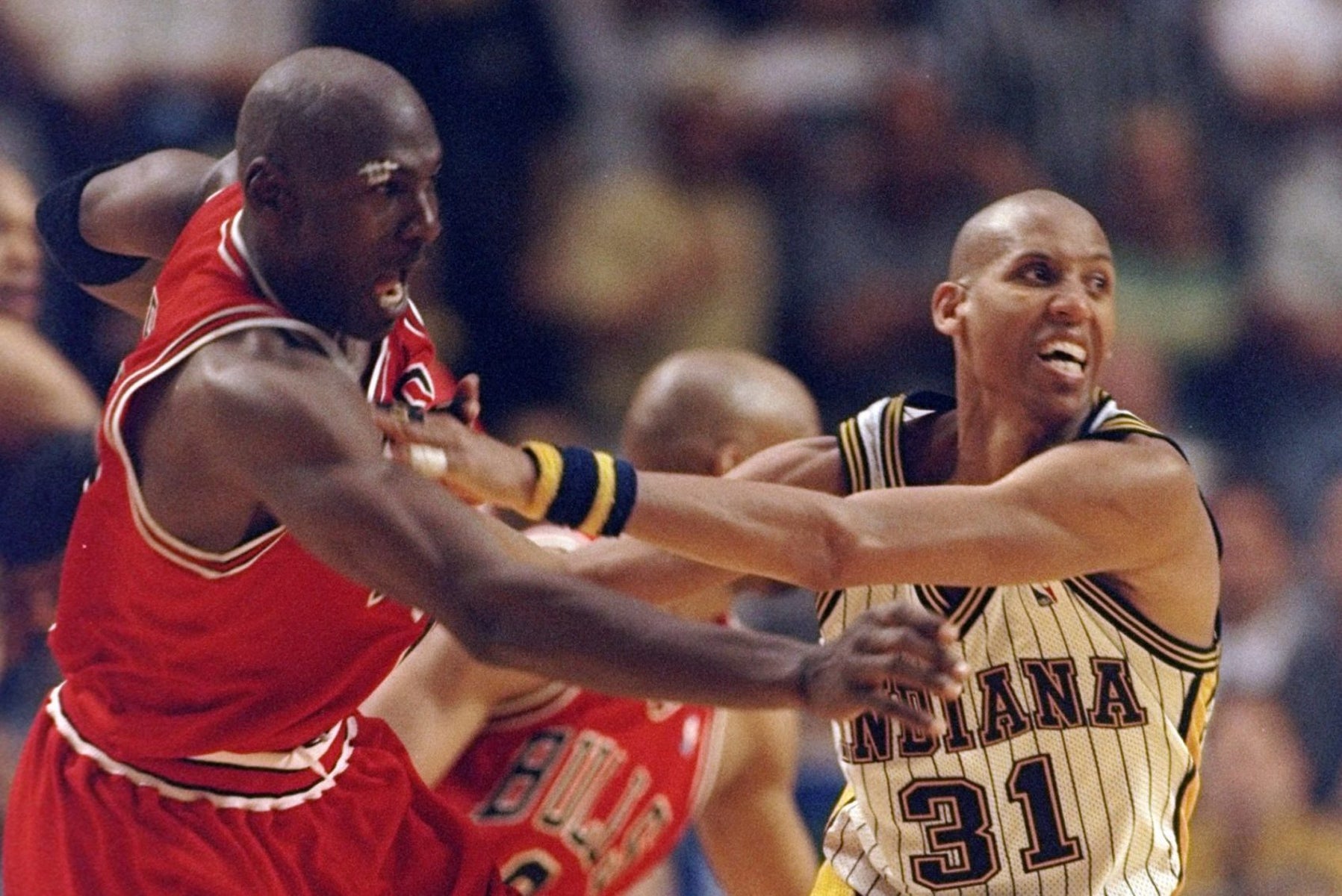
Getting open is not simply about running away from your defender.
In most situations, the offensive player first wants to move the defender away from the area where the pass will be received.
By moving the defender in one direction, the offensive player creates space in the opposite direction and opens a passing lane.
There are several ways to create this separation.
Some coaches teach players to:
- move slowly away from the desired receiving area and then sprint back,
- take two hard steps in one direction before exploding in the opposite direction,
- step toward the defender before cutting sharply toward the ball.
The correct solution depends on:
- where the player is positioned,
- where the ball is,
- and how the defender is playing.
Move the Defender Before You Move Yourself
One of the most important principles for young players is simple:
Move the defender in the opposite direction from where you want to go.
If you want to receive the ball closer to the basket, first influence the defender away from the basket.
If you want to receive the ball farther from the basket, first threaten the space inside.
The defender’s movement creates the space for your next action.
Use Changes of Speed
Against a strong, energetic defender, constant movement can be useful.
Make the defender work.
Use:
- changes of direction,
- changes of pace,
- screens from teammates,
- and sudden stops.
Sometimes the most effective move is not another sprint.
It is stopping.
A highly aggressive defender may continue moving or overplay the passing lane.
That creates an opportunity for a sudden backdoor cut.
The offensive player must learn to recognize when the defender’s aggression can be used against them.
Read the Defender
Getting open is not a predetermined movement.
It is a reaction to the defender.
If the defender overplays high, attack behind.
If the defender protects the basket, create separation toward the perimeter.
If the defender is extremely tight, move into the defender’s space before exploding away.
If the defender gives space, take advantage of the open receiving area immediately.
The offensive player should therefore learn both the movement and the reason behind the movement.
Example: Getting Open from the Low Post
Imagine an interior player beginning near the low block but wanting to receive the ball around the three-point line.
Simply running toward the perimeter may allow the defender to follow easily.
Instead, the offensive player can first move closer to the defender and threaten the space near the basket.
Then the player suddenly changes direction and sprints toward the perimeter.
Another option is to step strongly between the defender’s feet with the inside foot before exploding toward the desired receiving position.
The key is the same:
create a reaction from the defender before making the real cut.
Create a Passing Lane
The objective is not merely to become physically separated from the defender.
The offensive player must also create a clear passing lane.
Ideally, the receiver should position the body so that the defender cannot easily remain between the passer and the target.
Good off-ball movement therefore connects three things:
- the offensive player,
- the defender,
- and the passer.
The player getting open must understand all three.
Use Screens
Against aggressive defenders, teammates can provide another solution.
Use off-ball screens to force the defender to:
- change direction,
- fight through traffic,
- communicate,
- or switch.
The offensive player should not simply run around the screen.
The player should read how the defense responds and then choose the best route into open space.
Backdoor Against Overplay
When a defender becomes too aggressive in denying the pass, the offensive player should be ready to cut behind.
A brief pause can sometimes encourage the defender to move farther into the passing lane.
At that moment, an explosive backdoor cut can punish the overplay.
This teaches an important offensive principle:
every defensive choice gives something away.
The offensive player’s job is to recognize what has been given.
Separation Comes Before the Catch
Receiving the ball successfully often begins before the pass is thrown.
The player must first:
- read the defender,
- move the defender,
- change direction or speed,
- create separation,
- open the passing lane,
- then receive the ball in a useful position.
Good players do not simply wait to become open.
They create the situation in which they become open.
That is one of the foundations of effective off-ball offense.