Budapest, January 28, 2020
For three days, I have been quiet.
I have been trying to accept something I know will not be easy to accept — something that makes me feel as if I will never be entirely whole again.
A part of me had already died when Kobe stopped playing and we knew there was no way back.
For our family, basketball has never been simply a pastime.
It has become one of the central themes of our everyday lives.
Because of that, we do not have to search for the people and things that complete our lives. Somehow, we are naturally drawn toward them.
Toward what makes life more beautiful.
Toward what makes us better.
We found that in the game — and in the sacrifice and work required to pursue it.
From Jordan to Kobe
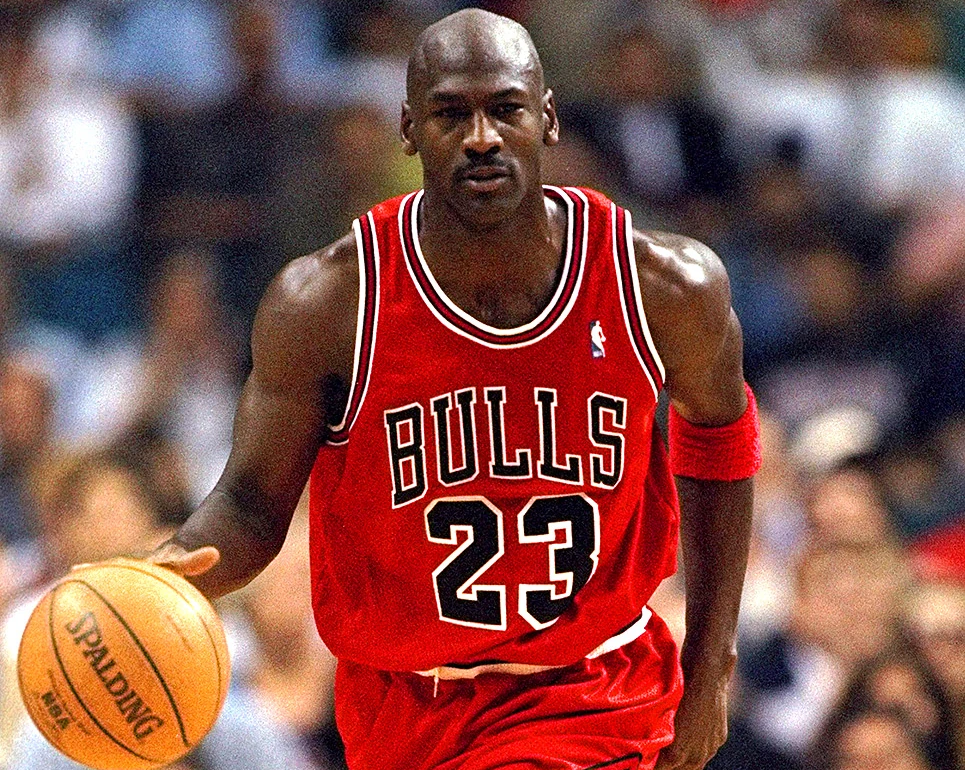
Michael Jordan developed as a player in a way that established a standard for all time.
Eventually, that era had to end.
That is the natural order of things.
But fortunately, Kobe was there.
In many ways, he continued from exactly where the very best had stopped.
With Kobe, we were able to experience that same process of development again.
And as technology advanced, he somehow became increasingly close to us.
Without exaggeration, Kobe gradually became part of our everyday lives almost like a member of the family.
At practice, we would often mention both Jordan and Kobe.
Certain movements were measured against them.
Certain standards were explained through them.
The benchmark they established for basketball players around the world became part of our own thinking as well.
They are always somewhere in our minds.
Perfection.
Humility.
The desire to win.
Persistence.
Passion.
These values made what they represented impossible to ignore.
Only One Day Earlier
On January 25, we watched Jordan’s press conference in Paris live.
Then we watched Kobe embrace LeBron after LeBron had passed him on the all-time scoring list.
A thought crossed my mind:
how fortunate I was to have seen them play.
To have experienced their greatness.
A greatness that still permeates basketball and the lives of athletes around the world.
On Friday, before leaving home, I walked over to the bookshelf and pulled out The Mamba Mentality for a moment.
I even ran my hand across the cover.
It is a beautiful edition, slightly embossed so that you can almost feel the book rather than simply read it.
Then I checked the latest news on my phone.
And of course, among the first things I saw were Kobe and several new videos and posts about him.
Two days later, while travelling, we received the incomprehensible news.
At first, we simply hoped it was not true.
Then confirmation began arriving minute by minute.
And with every new confirmation came more tears.
Even now, I cannot stop them.
That is what his absence means.
Pain.
As if someone from the family had gone.
More Than a Player
I know we had not seen him on the court for some time.
But he had created a world beyond playing basketball — a world that continued to reinforce what we ourselves believe in and live for.
We all learn.
We mature.
We search for ways to contribute something meaningful to our existence.
Perhaps nowhere more than in sport do we find individuals who can provide examples that people genuinely try to follow.
There are athletes we support.
There are others with whom we identify.
And there are some to whom, in a figurative sense, we feel that we somehow belong.
Not everyone will completely understand what Kobe represented.
Perhaps you have to try walking some distance along the path he showed us before you can truly understand it.
We cannot see everything about another person’s life.
And even if we could, perhaps we would not find perfection.
But what Kobe represented week after week was not hypocrisy or empty talk.
It was a direction.
Something that has to be understood as a whole.
Away from the Court
That is why it was such a gift to see that the person we watched on the court also existed beyond it.
A father who adored his children.
Perhaps it could not have been any other way.
That was who he was.
Sport had taught him how to love.
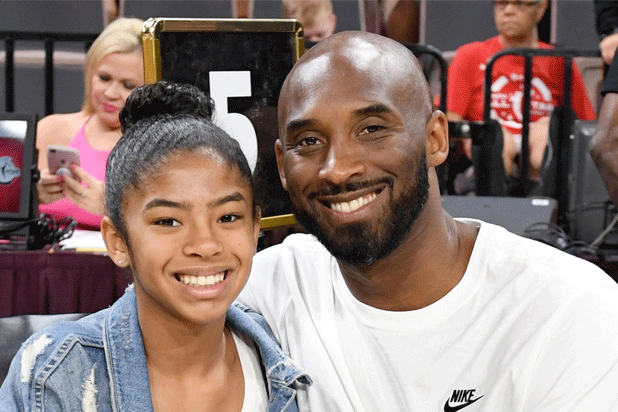
And then there was that little girl who had been beside him so often during those final months.
She had almost become familiar to us too.
There are no words for the pain of losing her.
I almost feel it myself.
For two days, I have been watching the videos and feeling that something inside me has broken because of her as well.
The Void
We have already lost many people from the basketball community.
For many of them, we have said that they left too soon.
Unexpectedly.
Inexplicably.
And those of us who remain are left with our questions and our feelings.
The loss of Kobe leaves a global emptiness.
Everyone who knew what he represented will carry some trace of it for the rest of their lives.
At the same time, that loss connects us.
He helped create a shared language.
A language with words that will continue to represent permanence.
And with signs, gestures and movements that will continue to mean the same things.
It feels good to belong to the people who understand what I mean.
What Remains
I hope the values that became part of our shared knowledge through the Kobe legend will now show even more young people a direction.
I am deeply grateful that Kobe meant the same thing to my children and to the people around me.
His death has created a new meaning for us as well.
From now on, we will finish every practice by shouting his name.
Because that name contains almost everything for which we play basketball.
And because:
“…those who are remembered through their deeds become immortal.”
That is not the only thing we can do with the legacy he left behind.
But perhaps even this small ritual can help us continue something of what Kobe Bryant represented to the world.
A world in which we now have to learn to live without him.
And slowly, very slowly, the tears will begin to dry.
Dr. Ágoston Nagy
Budapest, January 28, 2020