Depending on your age and level of preparation, these exercises can help you improve individually and become a more valuable member of your team.
There is a special satisfaction in knowing that you worked hard to become a better player.
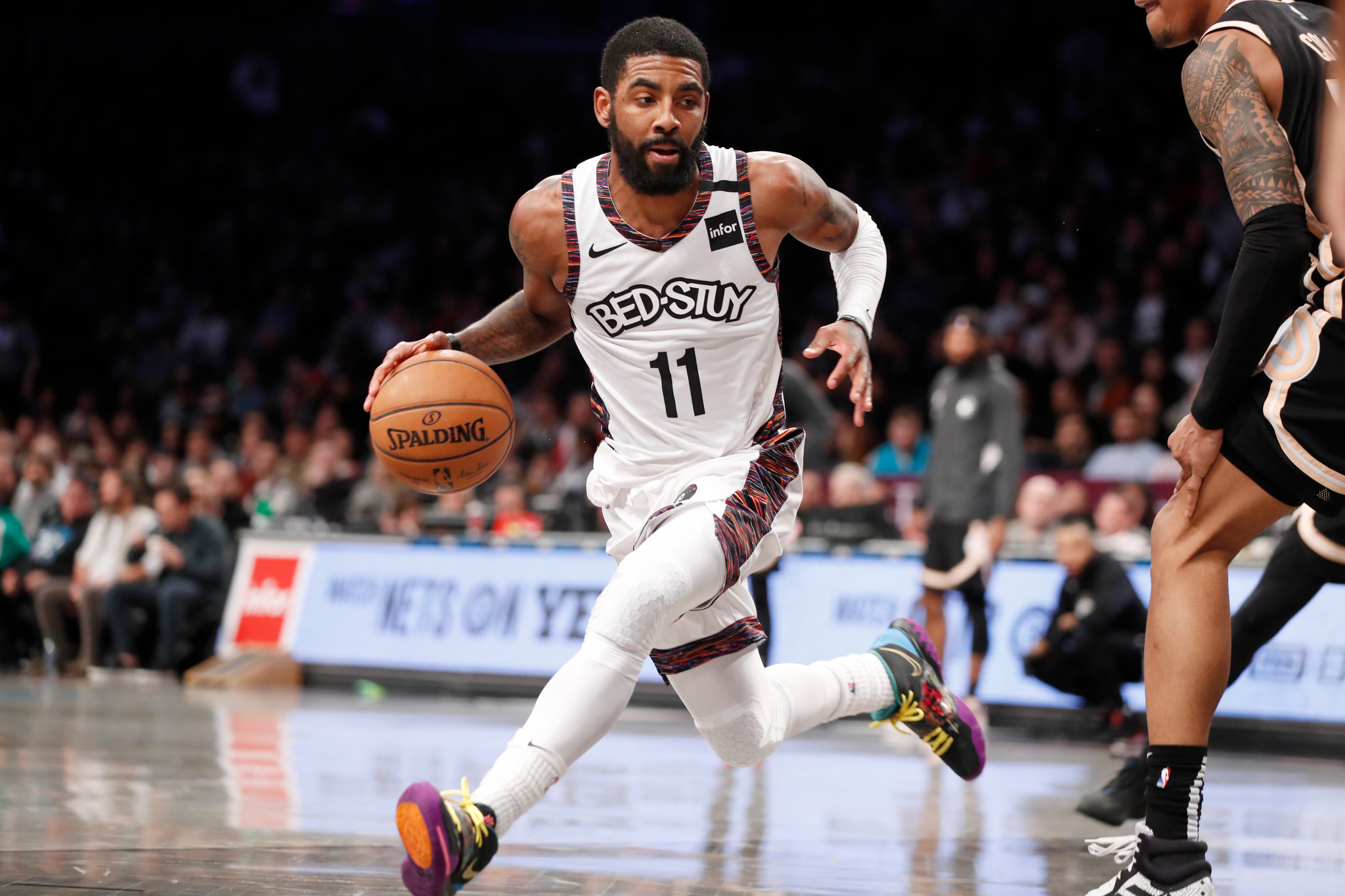
Individual drills — especially those directly connected to the game, such as ball handling and dribbling — can help take your basketball skills to the next level.
The following program focuses on:
- ball control,
- individual dribbling moves,
- foot speed,
- coordination,
- change of direction,
- change of pace,
- and turning the dribble into a scoring opportunity.
Consistent individual work also helps players develop confidence and build a stronger work ethic.
Phase One
The first phase begins with foot speed.
Quick feet are an important part of basketball both with and without the ball.
1. Jump Rope
Jumping rope can help develop quick and active feet.
Begin with:
- two-foot jumps,
- then single-leg jumps.
Try to perform the movement with speed and rhythm.
A more advanced variation is the double-under, in which the rope passes under the feet twice during one jump.
2. Line Jumps
Use any line on the basketball court.
Jump rapidly from side to side across the line for approximately 30 seconds.
The exercise is simple, but it can be used regularly to develop quicker footwork and lower-body coordination.
Ball-Handling Exercises
Once the feet are active, turn the focus toward controlling the basketball.
Daily ball-handling work can improve:
- hand-eye coordination,
- fingertip control,
- speed,
- confidence,
- and comfort with the ball.
The objective is to develop what we might call basketball confidence — the ability to handle the ball naturally without constantly looking at it or worrying about losing control.
1. Fingertip Taps
Hold the arms extended and rapidly tap the ball from one hand to the other using the fingertips.
Focus on quick, controlled contacts.
2. Around the Head
Move the basketball around the head.
Perform 15 repetitions in each direction.
Keep the movement quick and controlled.
3. Around the Waist
Circle the basketball tightly around the waist.
Perform 15 repetitions in each direction.
4. Around the Ankles
Move the ball around the ankles.
Perform 15 repetitions in each direction.
Stay balanced and keep control of the ball.
5. Combination
Combine the previous ball-control movements into one sequence.
Work continuously from:
- head,
- waist,
- ankles,
- and back through the sequence.
6. Around the Left Leg
Circle the ball around the left leg.
Perform 15 repetitions in each direction.
7. Around the Right Leg
Circle the ball around the right leg.
Perform 15 repetitions in each direction.
8. Figure Eight
Move the basketball in a figure-eight pattern between and around the legs.
Keep the feet stationary while developing rhythm and control.
9. Fingertip Dribbling
Use the fingers to control the basketball with quick, short dribbles.
The objective is to develop greater sensitivity and control through the fingertips.
10. Stationary Dribbling Moves
Practice fundamental dribbling changes while remaining in a controlled area:
- crossover,
- between-the-legs,
- behind-the-back,
- spin move,
- half-spin,
- and retreat or recovery dribble.
Do not simply perform the movement.
Try to execute every change with purpose and control.
11. Dribbling Around the Left Leg
Dribble around the left leg using the left hand.
Do not look at the ball.
Keep the dribble low and controlled.
12. Dribbling Around the Right Leg
Dribble around the right leg using the right hand.
Again:
Do not look at the ball.
Develop equal confidence on both sides.
13. Dribbling Figure Eight
Dribble the basketball in a figure-eight pattern through the legs.
Use multiple low dribbles while maintaining a balanced stance.
Do not watch the basketball.
The objective is to control the ball through feel rather than sight.
14. Dribbling While Lying on Your Back
Lie on your back and practice controlling the ball with both hands.
Dribble around the head area and underneath or around the legs as space allows.
This creates a different coordination challenge.
15. Wall Dribbling
Face a wall and choose a fixed point to look at.
Dribble with both the right and left hand while keeping your eyes on that target rather than on the basketball.
This reinforces one of the most important ball-handling habits:
play with your eyes up.
Phase Two
Once the exercises from Phase One have been learned and controlled, progress to Phase Two.
This phase requires:
- greater concentration,
- better control,
- and more game-like speed.
Some exercises require two basketballs.
A full basketball court with two baskets is ideal, but most of the running drills can also be performed in any safe area that allows approximately 25–30 meters of dribbling space.
1. Two-Ball Dribbling
Start on one baseline with one basketball in each hand.
Move toward the opposite end while staying low and maintaining control of both balls.
Dribble the balls alternately:
- left hand,
- right hand,
- left hand,
- right hand.
This drill challenges hand-eye coordination and independent hand control.
2. Controlled Between-the-Legs Dribbling
Walk up and down the court while transferring the ball between the legs on each step.
The objective is not speed at first.
Focus on:
- rhythm,
- balance,
- coordination,
- and control.
Once the movement becomes comfortable, gradually increase the pace.
3. Sprint Dribbling
Dribble from baseline to baseline at maximum controllable speed.
Use both hands.
The objective is to travel the distance with as few dribbles as possible while maintaining control.
As your skill improves, try to reduce the number of dribbles required.
Speed is useful only when the basketball remains under control.
4. Sprint Dribble into a Layup
Develop the ability to transition from full-speed dribbling into a finish.
Sprint with the basketball toward the basket and finish with a layup.
Then immediately continue toward the opposite basket.
Practice:
- right-handed dribbling and right-handed finishing,
- left-handed dribbling and left-handed finishing.
The transition between speed dribbling and finishing should become smooth.
5. Sprint Dribble, Jump Stop and Power Finish
Attack the basket at speed.
Instead of finishing directly from a running layup:
- come to a controlled jump stop,
- establish balance,
- explode upward from two feet,
- finish strongly as if a defender were protecting the basket.
Perform the drill:
- from both sides,
- and with both hands.
6. Slalom Dribbling
Begin near one baseline.
Dribble toward the first target — for example, the elbow.
Execute a crossover and accelerate toward the next target.
Continue through a sequence such as:
- first elbow,
- half court,
- opposite elbow,
- opposite baseline area.
Every change of direction should be followed by acceleration.
The move creates the advantage.
The acceleration uses it.
7. Crossover Drive
Begin around half court and dribble toward the free-throw-line area.
A chair, cone or other obstacle may represent the defender.
Approach with a low dribble.
Execute a crossover in front of the obstacle and accelerate toward the basket for a layup.
Practice:
- both directions,
- both hands,
- and both finishing sides.
Protect the basketball as you change direction.
8. Double Crossover
Begin around half court and attack toward the free-throw-line area.
Perform two crossovers in front of the imagined defender before attacking the basket.
The drill develops rapid changes of direction while maintaining control.
9. Hesitation Dribble
Attack from half court toward the free-throw line.
As you reach the defender’s area:
- hesitate briefly,
- change rhythm,
- explode toward the basket,
- finish with a layup.
The effectiveness of the move comes from the contrast between the pause and the acceleration.
10. X Layups
Begin underneath the basket.
Dribble toward the left elbow, change direction and attack the basket for a layup.
Immediately secure the rebound.
Then dribble toward the right elbow, turn and attack the basket again, finishing with the opposite hand.
Continue alternating sides.
Throughout the drill:
- keep the dribble low,
- maintain a balanced athletic stance,
- change direction sharply,
- and finish under control.
Train the Skill You Want to Use
Ball-handling drills should eventually connect to real basketball actions.
The goal is not simply to perform complicated dribbling moves.
The goal is to be able to:
- advance the ball under control,
- change direction,
- change speed,
- protect the basketball,
- keep the eyes up,
- beat a defender,
- and turn the advantage into a quality shot.
Begin with control.
Then add speed.
Then add movement.
Finally, connect the dribble to game actions.
Individual improvement is built through repetition — but the repetitions must have a purpose.